


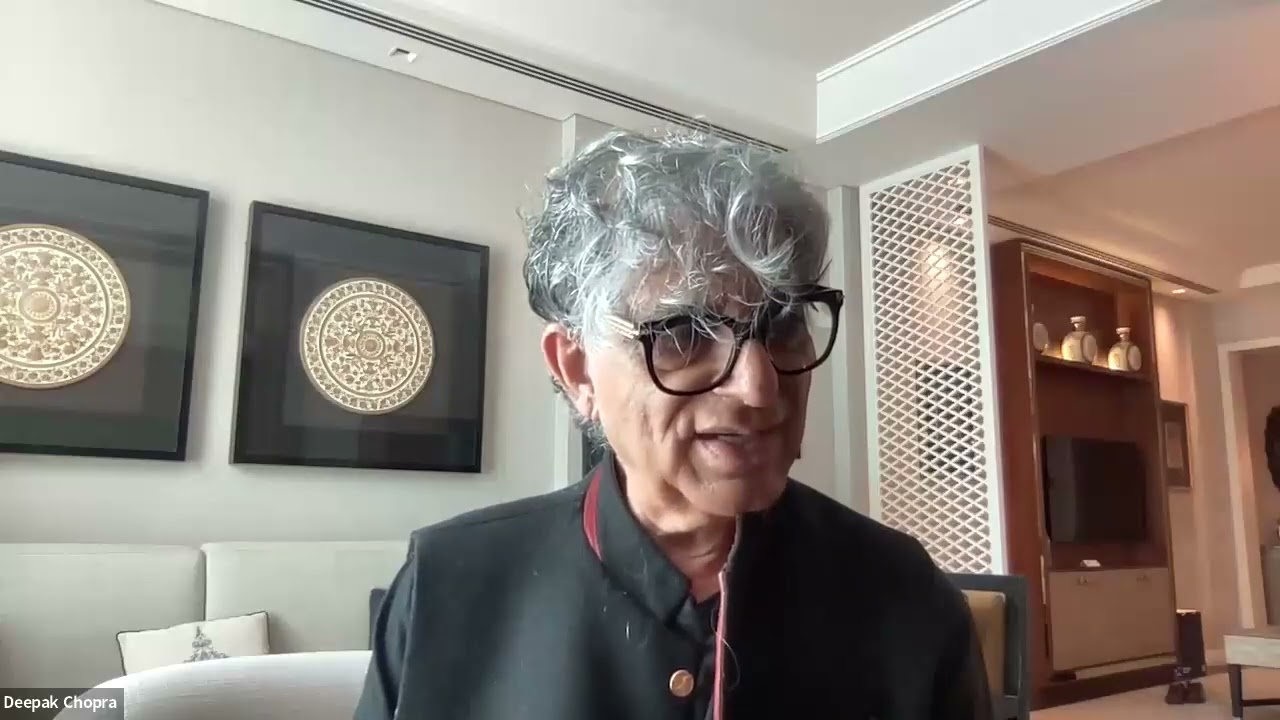
Who is Deepak Chopra?
Deepak Chopra is a prominent figure renowned for his contributions to integrative medicine and spirituality. Born on October 22, 1946, in New Delhi, India, he grew up in a family deeply rooted in traditional Indian culture and values. Chopra’s early education took place in his home country, where he cultivated an interest in medicine from a young age. He pursued his medical degree at the All India Institute of Medical Sciences, which laid the foundation for his future endeavors in healthcare.
After completing his medical training, Chopra immigrated to the United States, where he continued to practice as an endocrinologist. However, his journey took a pivotal turn during the late 1980s, influenced in part by his exposure to Eastern philosophies and the limitations he perceived within Western medicine. This period marked the beginning of his shift towards holistic healing practices, which integrate mind, body, and spirit—a concept that resonated with both Chopra and many of his patients.
Chopra’s insights into the connection between emotional health and physical well-being led him to explore the principles of Ayurveda, the ancient Indian system of medicine. As he delved deeper into alternative healing modalities, he began to publish numerous books that combined these ideas with modern science. His most notable works include “The Seven Spiritual Laws of Success” and “Ageless Body, Timeless Mind,” which have garnered a large readership and established him as a best-selling author.
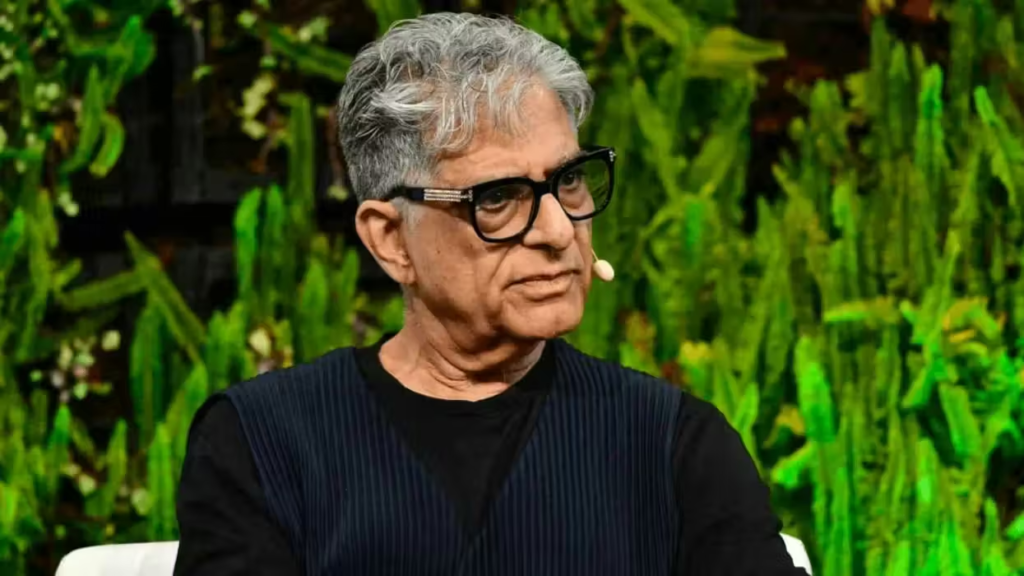
Over the years, Deepak Chopra has emerged as a thought leader in wellness, offering wisdom on meditation, mindfulness, and self-awareness. He founded the Chopra Center for Wellbeing, which serves as a hub for individuals seeking to improve their health through a holistic approach. As an advocate for mental and emotional well-being, Chopra continues to inspire individuals worldwide to embrace a deeper understanding of themselves and their health.
The Philosophy Behind Deepak Chopra’s Teachings
Deepak Chopra’s teachings are deeply rooted in the philosophy surrounding the mind-body connection, a concept that resonates throughout his extensive body of work. Central to Chopra’s philosophy is the belief that the mind and body are inextricably linked, influencing one another in profound ways. According to him, understanding this connection can be pivotal for achieving optimal health and well-being. By nurturing the mind, one can simultaneously cultivate a healthier body, a theme that echoes throughout many of Chopra’s writings.
Meditation and mindfulness are also pivotal components of his teachings. Chopra emphasizes the importance of these practices as tools for achieving mental clarity and emotional stability. He speaks extensively about how regular meditation can alter the brain’s structure, leading to lasting changes in behavior and attitude. This principle is interwoven with the idea that mindfulness offers a pathway to connect with deeper states of consciousness, facilitating healing not just on a physical level, but on emotional and spiritual planes as well.
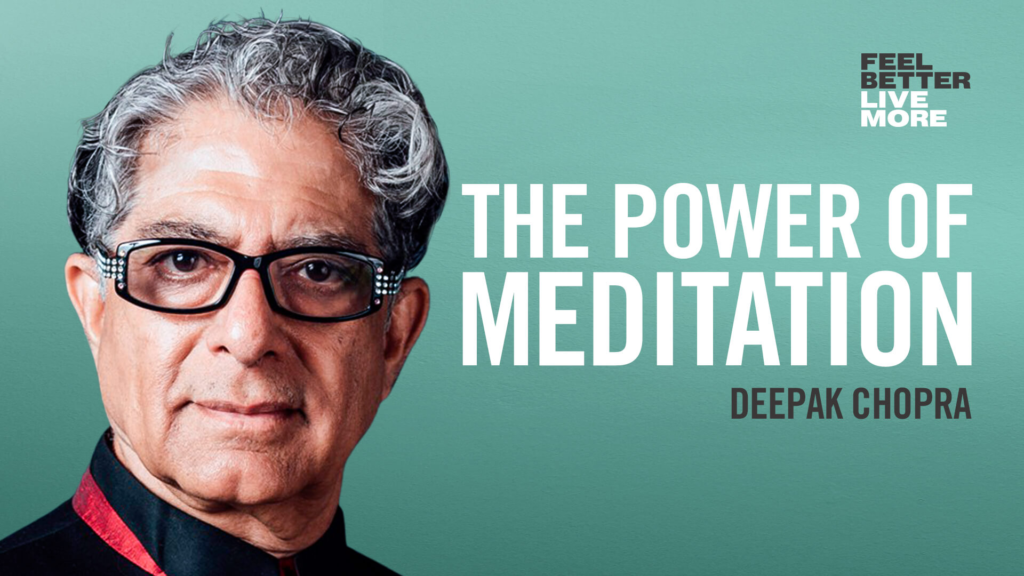
Chopra’s approach to health is holistic, integrating the wisdom of Eastern spiritual traditions with contemporary Western medical practices. He advocates for a model of health that goes beyond merely treating symptoms to addressing the root causes of illness. His works often highlight that our thoughts, emotions, and spiritual beliefs significantly impact our physical health. By recognizing these interconnections, individuals are empowered to take charge of their wellness, transforming their lives through a deeper understanding of consciousness.
Through his extensive lectures and writings, Chopra invites individuals to explore the transformative potential that comes from merging the mind and body’s workings with spirituality and holistic living. This philosophy underscores a path toward self-discovery and personal growth, making it a cornerstone of Deepak Chopra’s influence in the fields of health and wellness.
Deepak Chopra’s Impact on Wellness and Spirituality
Deepak Chopra has notably transformed the landscape of wellness and spirituality through a harmonious blend of ancient wisdom and modern science. His innovative approach to mind-body healing has made him a prominent figure in the wellness industry worldwide. By integrating elements of alternative medicine, Chopra has brought to the forefront the significance of holistic health, emphasizing the connection between the mind, body, and spirit.
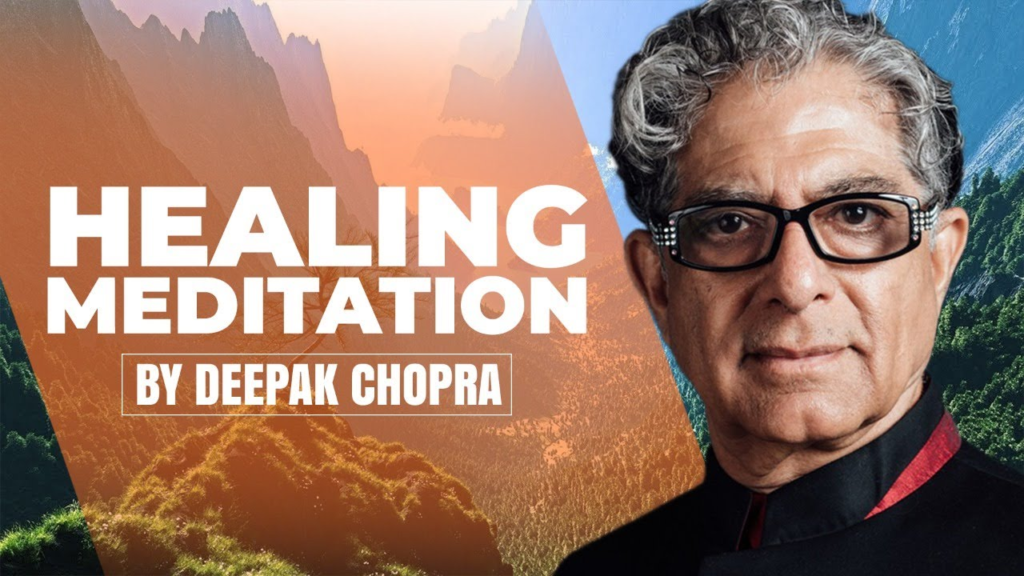
Chopra’s influence extends beyond merely popularizing wellness practices; he has created a comprehensive suite of programs, workshops, and online courses that empower individuals to take charge of their health. These offerings often focus on meditation, mindfulness, and self-healing, making profound concepts accessible to a global audience. By translating complex physiological and psychological concepts into practical strategies, he has made significant strides in educating the public about the benefits of these practices.
Furthermore, Chopra has collaborated with various influential figures and institutions within the wellness sphere, amplifying his message and broadening his impact. His partnerships range from healthcare professionals to spiritual leaders, all of whom share a commitment to promoting health and well-being. These collaborations have not only enhanced his credibility but have also helped to establish a more significant platform for alternative healing methods.
Numerous personal testimonials and success stories affirm Deepak Chopra’s effectiveness as a wellness advocate. Individuals often recount how his teachings and practices have catalyzed transformative changes in their lives—whether through stress reduction, increased self-awareness, or a deeper sense of connection to life. As a thought leader, Chopra continues to inspire millions, guiding them on their journey toward optimal health and spiritual fulfillment.
Criticism and Controversies Surrounding Deepak Chopra
Deepak Chopra, a prominent figure in the field of mind-body healing, has garnered both ardent supporters and vocal critics since the inception of his career. While many laud him for introducing holistic health practices and the integration of spirituality into wellness, a significant portion of the scientific community remains skeptical of his methodologies. Critics argue that Chopra’s teachings—often perceived as a blend of alternative medicine and spirituality—lack rigorous scientific backing. This skepticism is rooted in the belief that some of his claims, particularly those regarding the efficacy of his healing practices and the concepts of consciousness he espouses, are not supported by empirical evidence.
One contentious area is Chopra’s interpretation of quantum physics, which he asserts connects mind and body. His attempt to bridge these domains, while innovative, has led to accusations of pseudoscience. Many physicists and health professionals contend that Chopra misappropriates scientific terminology, leading to misunderstandings about human health and consciousness. This misalignment with established scientific principles raises questions about the safety and effectiveness of his recommendations.
However, it is essential to recognize that Chopra also has many defenders who assert the positive impacts of his work on individuals seeking alternative paths to health. Supporters often share personal testimonies about transformative experiences resulting from his teachings. They argue that the benefits derived from incorporating mind-body practices, such as meditation and mindfulness, warrant further investigation and open-minded exploration. Ultimately, the discourse surrounding Deepak Chopra highlights a broader clash between conventional medical practices and alternative, holistic approaches. As such, readers are encouraged to explore both perspectives and arrive at an informed conclusion about the validity of his contributions to wellness and healing.
