


Introduction to Gardenia
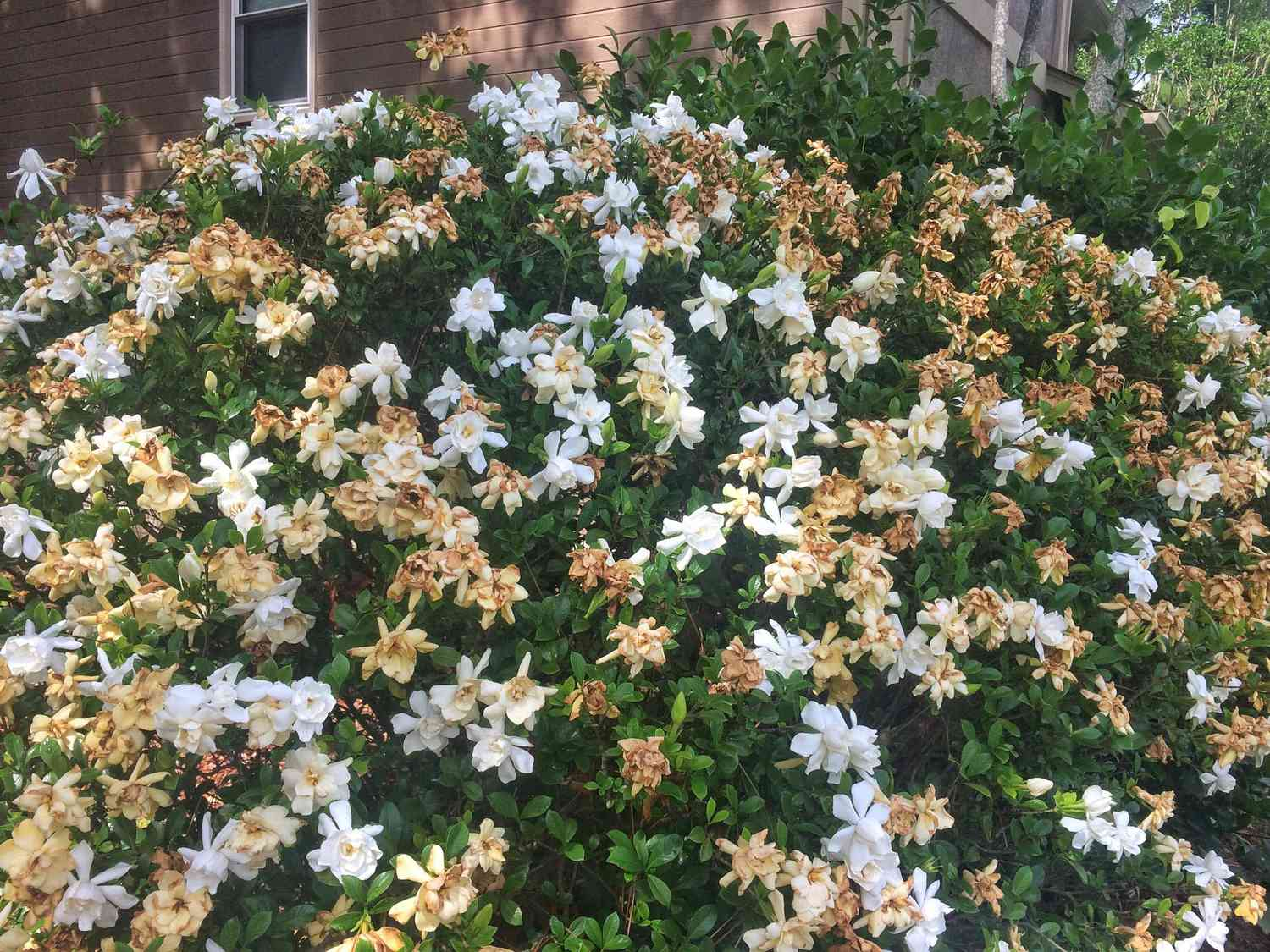
Gardenias are revered flowering plants known for their enchanting fragrance and beautiful white blooms. Scientifically classified under the genus Gardenia, these plants belong to the family Rubiaceae. Originating primarily from tropical and subtropical regions of Africa, Asia, and the Pacific Islands, gardenias have made their way into gardens worldwide, complementing various landscapes with their striking beauty and aroma.
The significance of gardenias extends beyond their aesthetic appeal. Historically, these plants have been used in various cultural rituals and traditions. In many societies, gardenias symbolize purity, love, and the joy of life, making them a popular choice for wedding bouquets and festive decorations. Their captivating scent has also led to their use in perfumery and aromatherapy, touting their ability to evoke calmness and positive emotions.
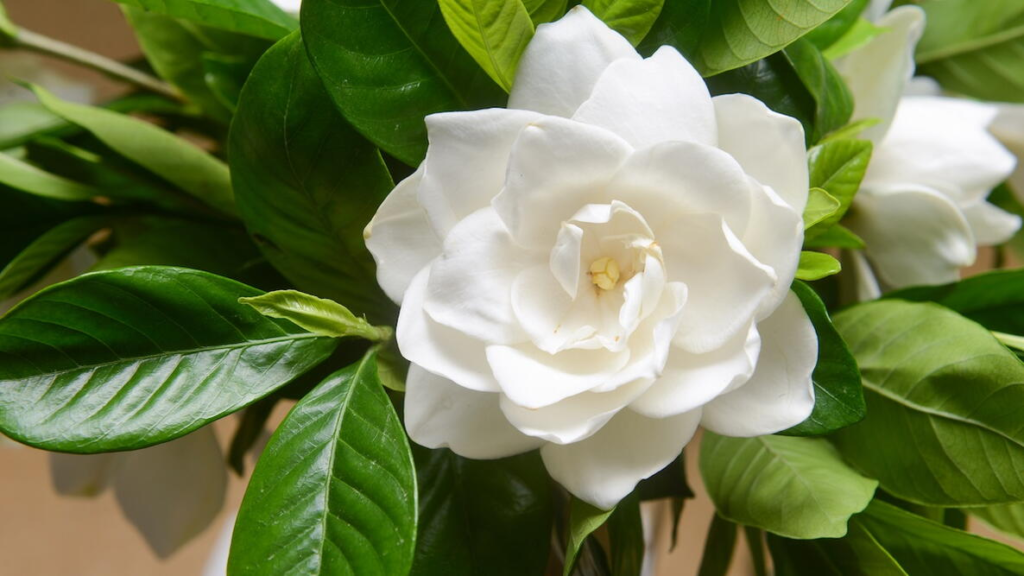
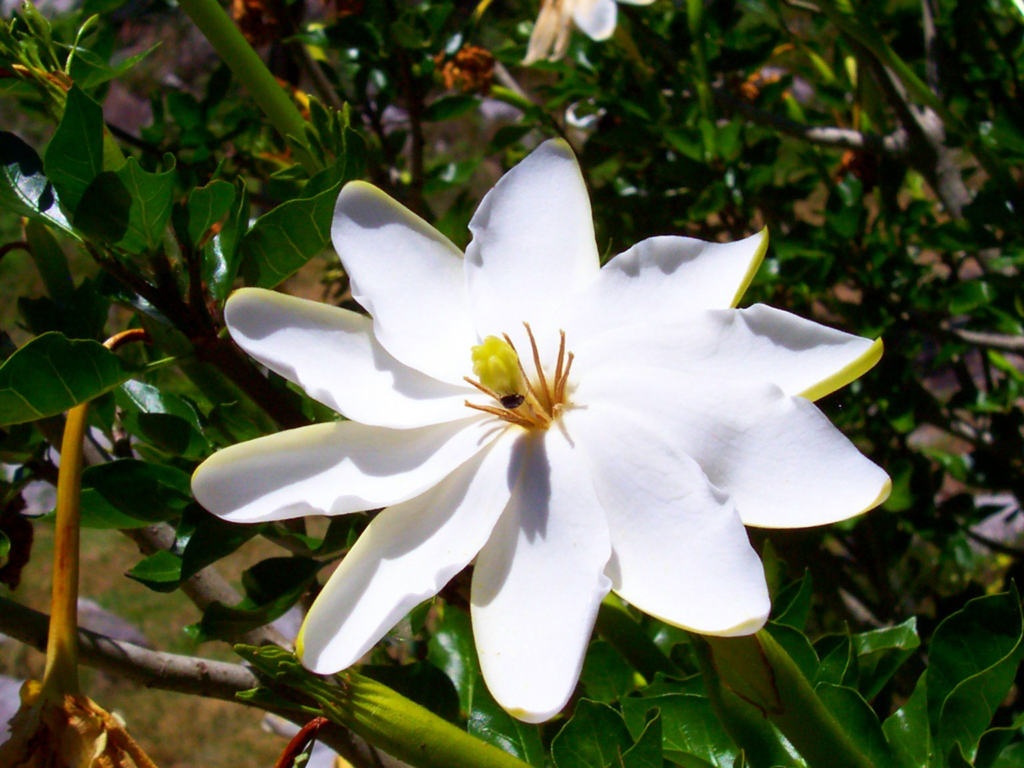
Gardenia plants are characterized by their glossy, dark green leaves and creamy white petals that radiate a sweet and sultry fragrance. Most gardenia species bloom in late spring to early summer, attracting bees and butterflies, which further enhance the vibrancy of any garden. While commonly cultivated as shrubs, their growth habit can vary from compact formations suitable for smaller spaces to larger varieties that can serve as standalone features in more expansive gardens.
This delicate plant thrives in well-drained, acidic soil and requires specific care to flourish. While gardenias demand attention due to their sensitivity to environmental changes, their rewarding blooms and aroma provide gardeners with a unique satisfaction. Understanding their botanical lineage, cultural significance, and cultivation needs helps gardeners appreciate the role of gardenias in both ornamental and practical gardening.
Growing Gardenias: Tips and Care
Gardenias are cherished for their captivating fragrance and elegant white blooms, making them a popular choice among gardeners. If you are considering adding these beautiful plants to your garden, understanding their growing requirements is crucial for success. First, it is essential to select the right soil type; gardenias thrive best in acidic, well-draining soil with a pH of around 5.0 to 6.0. You may consider incorporating peat moss or pine bark into your soil mix to achieve the desired acidity.
Another factor to consider is sunlight. Gardenias generally prefer partial sunlight, ideally receiving about four to six hours of filtered sunlight daily. Direct midday sun can scorch the leaves, leading to a decline in health. Therefore, choose a spot that gets morning sunlight but is shaded during the hottest part of the day for optimal growth.
Watering is also critical in your gardenia’s care routine. These plants require consistent moisture, especially during the blooming season. However, overwatering should be avoided as it can cause root rot. Maintaining even moisture, allowing the top inch of soil to dry out between waterings, is the best practice. Additionally, using mulch can help retain moisture and regulate temperature around the roots.
Pruning is beneficial for maintaining the shape and encouraging new growth in gardenias. It is best to prune your plant just after blooming, removing any dead or yellowing leaves and spent flowers. This encourages healthy new growth and keeps the plant looking tidy.
Lastly, be aware of common pests and diseases that can affect gardenias, such as aphids, whiteflies, and fungal infections like root rot. Regularly inspecting your plants and applying appropriate organic pesticides or fungicides will help keep your gardenia thriving.
Designing with Gardenias in Your Landscape
Incorporating gardenias into landscape designs can enhance the visual appeal and fragrance of outdoor spaces. These evergreen shrubs are well-known for their stunning white blooms and glossy leaves, making them a popular choice among garden enthusiasts. One effective design strategy is to use gardenias as focal points within garden beds. Their vibrant flowers can draw attention when planted among perennials and annuals, providing a striking contrast that captivates the eye.
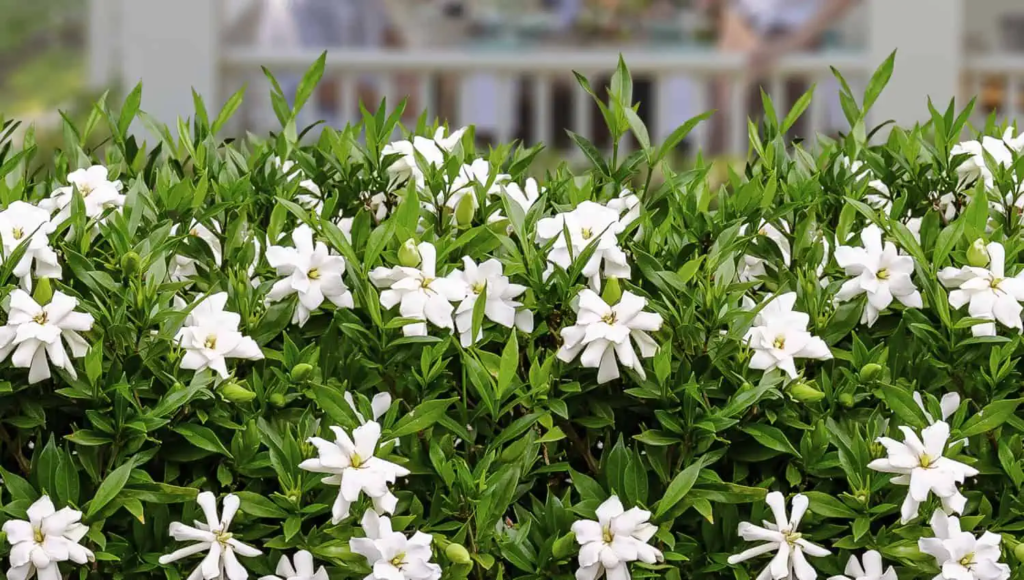
For achieving a cohesive look, consider designing borders with gardenias combined with other flowering shrubs. Pairing gardenias with plants that complement their aesthetics, such as hydrangeas or azaleas, can create a layered effect. Their moderate height allows gardenias to form the backbone of a border, while taller plants can be positioned at the back and shorter varieties at the front. In this manner, you can craft a visually engaging and fragrant display throughout the seasons.
Additionally, when crafting a fragrant garden, gardenias should be a primary component. Their sweet scent is most pronounced in the evening, making them ideal for gardens designed for relaxing or entertaining. To enhance this sensory experience, plant gardenias near outdoor seating areas or pathways where their fragrance can be enjoyed. Companion planting plays a vital role in this setup; consider including aromatic herbs such as lavender or rosemary. These plants not only attract beneficial pollinators but also amplify the delightful aroma that gardnias provide.
Ultimately, using gardnias in your landscape design invites sophistication and allure. By thoughtfully integrating them into garden beds, borders, and fragrant areas, you can cultivate a space that reflects the beauty and charm of these remarkable plants.
Caring for Gardenias: Maintenance and Troubleshooting
Gardnias are celebrated for their lush foliage and captivating fragrance, but to thrive, they require specific care and attention. Regular maintenance of gardnias involves thoughtful practices such as fertilizing, repotting, and seasonal care to cultivate healthy plants.
Fertilizing gardnias is essential to promote robust growth. It is advisable to use a balanced fertilizer specifically formulated for acid-loving plants, typically applied during the growing season. Fertilize the plants every four to six weeks from early spring until late summer to ensure they receive necessary nutrients. Additionally, incorporating organic matter or compost into the soil can foster optimal drainage while enhancing nutrient availability for gardnias.
Repotting is another critical aspect of gardnia care. As these plants grow, they may outgrow their containers and require repotting every two to three years. When doing so, choose a pot that is one size larger than the current one, using well-draining potting mix enriched with organic material. This process not only refreshes the soil but also provides more space for the roots to expand, which is essential for the plant’s overall health.
Seasonal care further contributes to the resilience of gardnias. During the winter months, place plants in a cool environment but ensure they receive adequate light and maintain humidity levels to avoid problems such as leaf drop. Moreover, pruning gardnias after the flowering period helps to shape the plant and encourage bushier growth for the future.
Common issues, such as yellowing leaves or bud drop, can indicate stress or improper care. Yellowing often results from nutrient deficiencies or overwatering, while bud drop may arise from sudden temperature changes. Monitoring these signs closely enables swift adjustment to care routines, ensuring that gardnias remain healthy and vibrant.
