


The Early Life and Career of Trump
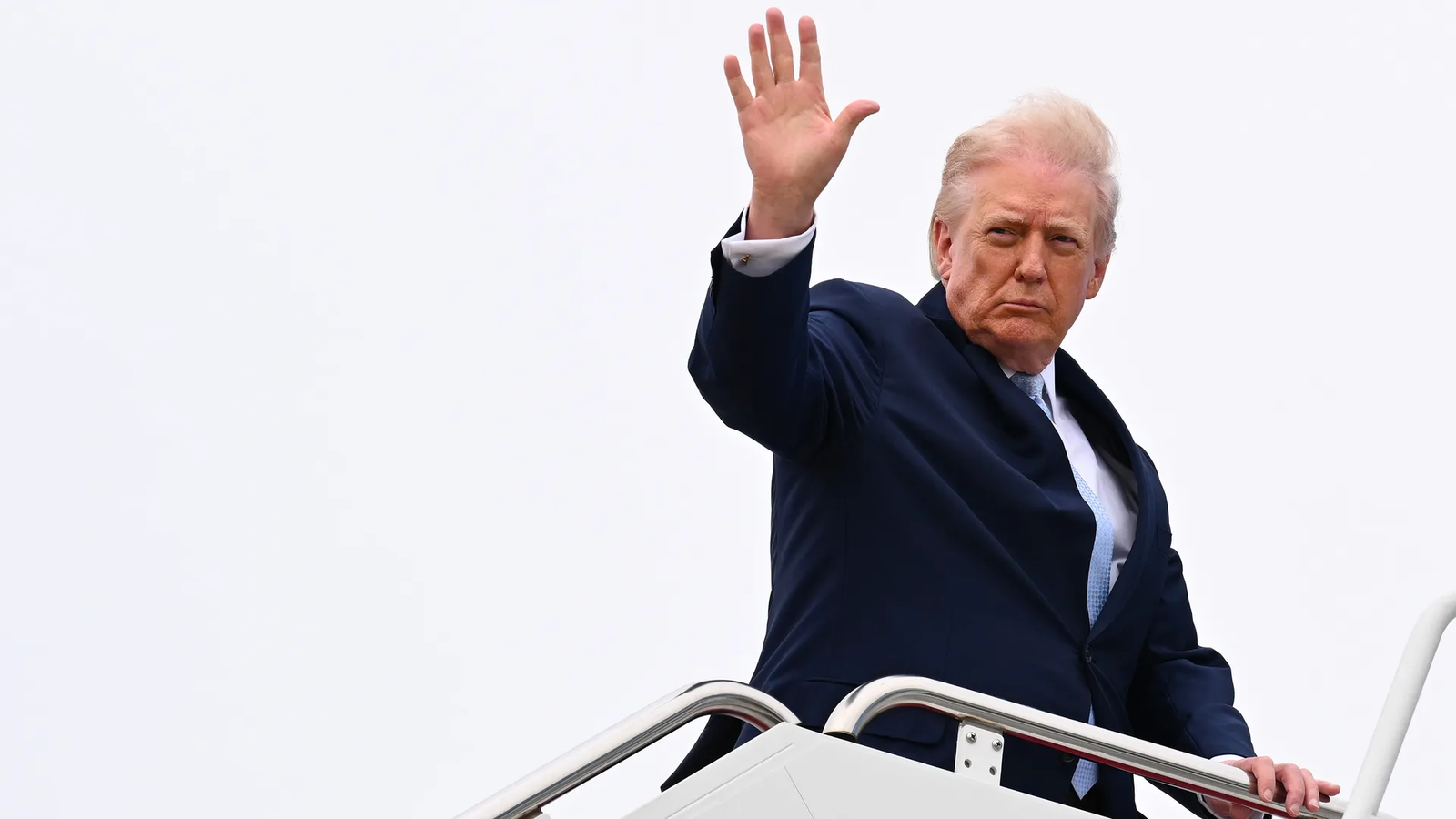
Donald John Trump was born on June 14, 1946, in Queens, New York City. He was the fourth of five children in his family, born to Fred and Mary Anne Trump. From an early age, he was exposed to the real estate business through his father’s firm, E. Trump & Son, which focused primarily on residential housing. Growing up, Trump exhibited a competitive spirit and a keen interest in entrepreneurship, often leading him to engage in various business ventures as a child.
Trump’s formative years were marked by a combination of privilege and resilience, which significantly influenced his future career path. He attended the Kew-Forest School in Queens before transferring to the New York Military Academy, where his leadership skills began to flourish. In 1964, he enrolled in Fordham University, where he spent two years before transferring to the Wharton School at the University of Pennsylvania. At Wharton, Trump earned a degree in economics in 1968, which provided him with a solid foundation for his future business endeavors.
After graduating, Trump joined his father’s business and began working on various real estate projects. His initial efforts were focused on expanding the company’s operations into Manhattan, marking a significant turning point in his career. With a blend of ambition and an aggressive business strategy, he secured a series of lucrative deals, including the renovation of the Swifton Village project in Cincinnati, Ohio. Trump’s early ventures were characterized by a mix of risk and reward, which set the tone for his approach to business and politics later in life. These experiences cultivated his ability to navigate complex financial environments, laying the groundwork for his future endeavors and public persona.
Trump’s Rise in Politics
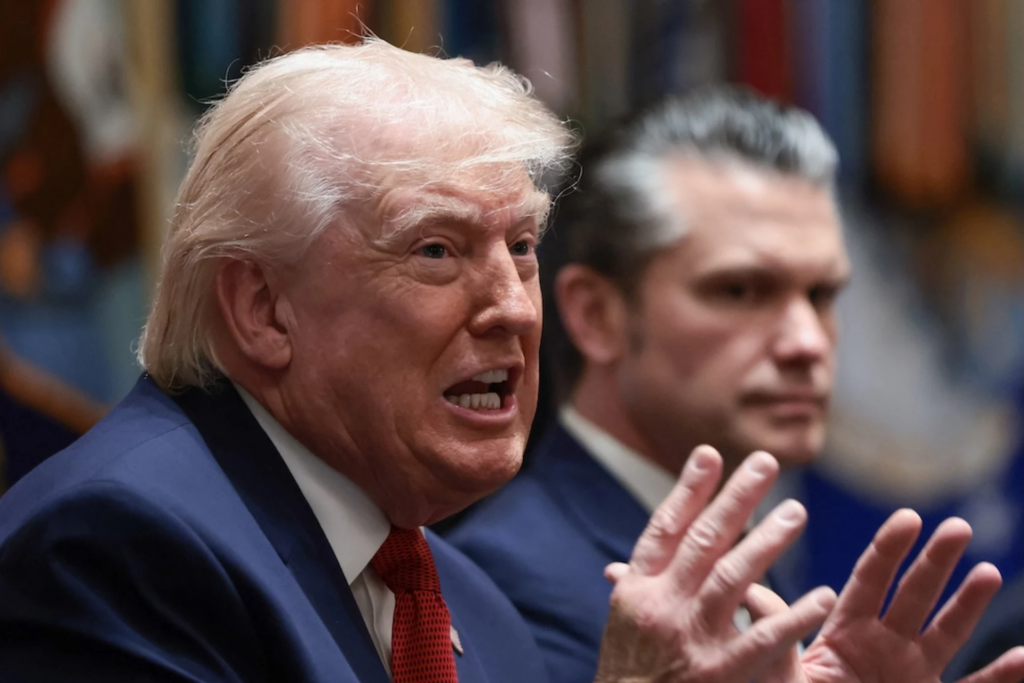
Donald Trump’s transition from a successful businessman to a prominent political figure marked a significant turning point in American politics. His entry into the political arena began in earnest when he announced his candidacy for the presidency in June 2015, a move that shocked both the political establishment and the general public. With a campaign slogan of “Make America Great Again,” Trump promised to bring about a change that resonated deeply with a segment of the American electorate disillusioned by traditional politics.
During the 2016 campaign, Trump employed a series of unorthodox strategies that set him apart from his competitors. His use of social media, particularly Twitter, allowed him to communicate directly with voters, bypassing traditional media outlets. This approach not only kept him in the headlines but also helped forge a strong connection with his supporters, who appreciated his candid and often controversial style. Trump’s ability to tap into the prevailing sentiments of nationalism and economic discontent further bolstered his appeal.
The 2016 election landscape was highly contentious, featuring notable opponents such as former Secretary of State Hillary Clinton, who represented the Democratic Party. Trump’s rhetoric often focused on immigration, trade, and law and order, issues that resonated particularly well with voters in key swing states. Through a combination of rallies, media appearances, and an extensive ground game, Trump secured a victory against the odds, capitalizing on the divisions within the electorate and successfully branding himself as a political outsider.
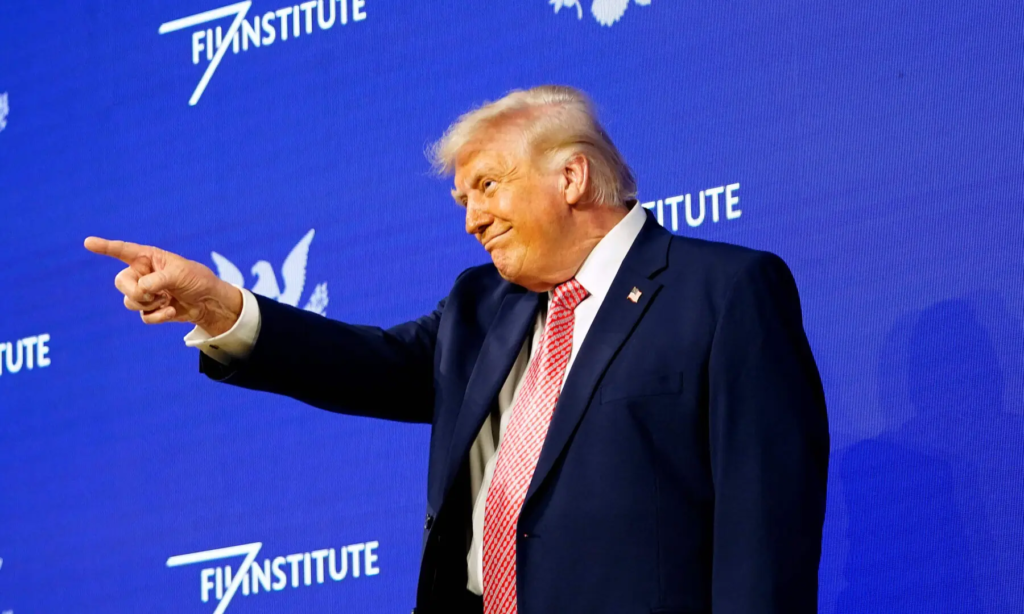
His victory not only reshaped the Republican Party but also altered the dynamics of American politics, paving the way for a populist movement that would influence future elections. The political strategies and communications style Trump employed during his campaign continue to have a lasting impact on the Republican Party and the broader political landscape in the United States.
Trump’s Presidency: Key Policies and Controversies
Donald Trump’s presidency, spanning from January 20, 2017, to January 20, 2021, was marked by a myriad of policies and controversies that shaped the political landscape of the United States. One of the hallmark achievements of Trump’s time in office was the implementation of significant tax cuts, which he touted as a means to stimulate the economy. The Tax Cuts and Jobs Act of 2017 aimed to reduce corporate tax rates and provide tax relief for individuals. Proponents argue that these cuts spurred economic growth, while critics contend that they disproportionately benefitted the wealthy and increased the national debt.
Another critical area of focus during Trump’s presidency was immigration reform. His administration sought to impose stricter immigration policies, including the controversial travel ban affecting several predominantly Muslim countries and the construction of a wall along the southern U.S. border. These initiatives prompted significant public debate and legal challenges, as opponents raised concerns about human rights and the impact of such measures on immigrant communities.
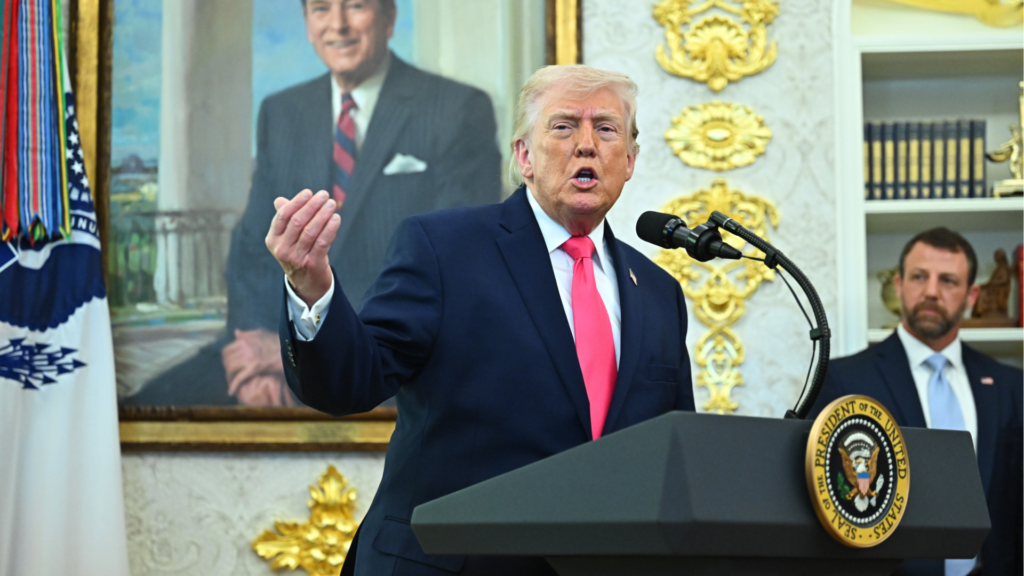
Trump’s foreign relations strategies also sparked a mix of praise and criticism. His approach to international diplomacy was characterized by a shift towards unilateralism, as seen in his withdrawal from the Paris Climate Agreement and the Iran Nuclear Deal. Simultaneously, he was lauded for efforts to engage with North Korea and facilitate peace negotiations in the Middle East.
However, Trump’s presidency was not without substantial controversies. His impeachment by the House of Representatives in 2019 on charges of abuse of power and obstruction of Congress left a profound mark on his legacy. Additionally, his handling of racial tensions in the wake of events like the George Floyd protests and his response to the COVID-19 pandemic further polarized public opinion, leading to a contentious and divided national atmosphere.
Legacy and Impact of Trump on American Politics
The presidency of Donald Trump has significantly reshaped the landscape of American politics, leaving an enduring impact on the Republican Party and the broader political theater. Trump’s unorthodox approach to governance, characterized by a populist message and direct engagement with voters through social media, has fundamentally altered political discourse in the United States. His ability to rally a devoted base has shifted the dynamics of voter engagement, attracting individuals who had previously felt disenfranchised by traditional political institutions.
Trump’s influence on the Republican Party is evident in its ideological direction. His focus on issues such as immigration reform, trade policies, and economic nationalism has prompted the GOP to reevaluate its core principles. These shifts have sparked internal debates about the party’s future—including the tension between establishment Republicans and loyalists—leading to a reconfiguration of alliances within the party. The acceptance of ‘s brand of politics has also allowed for a broader array of candidates with similar populist agendas to rise to prominence in both local and national elections.
In addition to shaping political strategies, Trump’s tenure has exacerbated societal divisions across the nation. Issues of race, class, and nationalism have been brought to the forefront, often heightened by incendiary rhetoric that polarized public opinion. The contentious atmosphere fostered during his presidency has left a lasting legacy on political communication, where debate is frequently intertwined with personal attacks, reducing civil discourse to a battleground of loyalties.
Looking ahead, Trump’s enduring support among his base indicates that his influence will likely continue to resonate within the Republican Party and American politics as a whole. As the political environment evolves, the precedent set during his administration may shape the approaches of future leaders, ensuring that the ramifications of presidency will be felt for years to come.
