


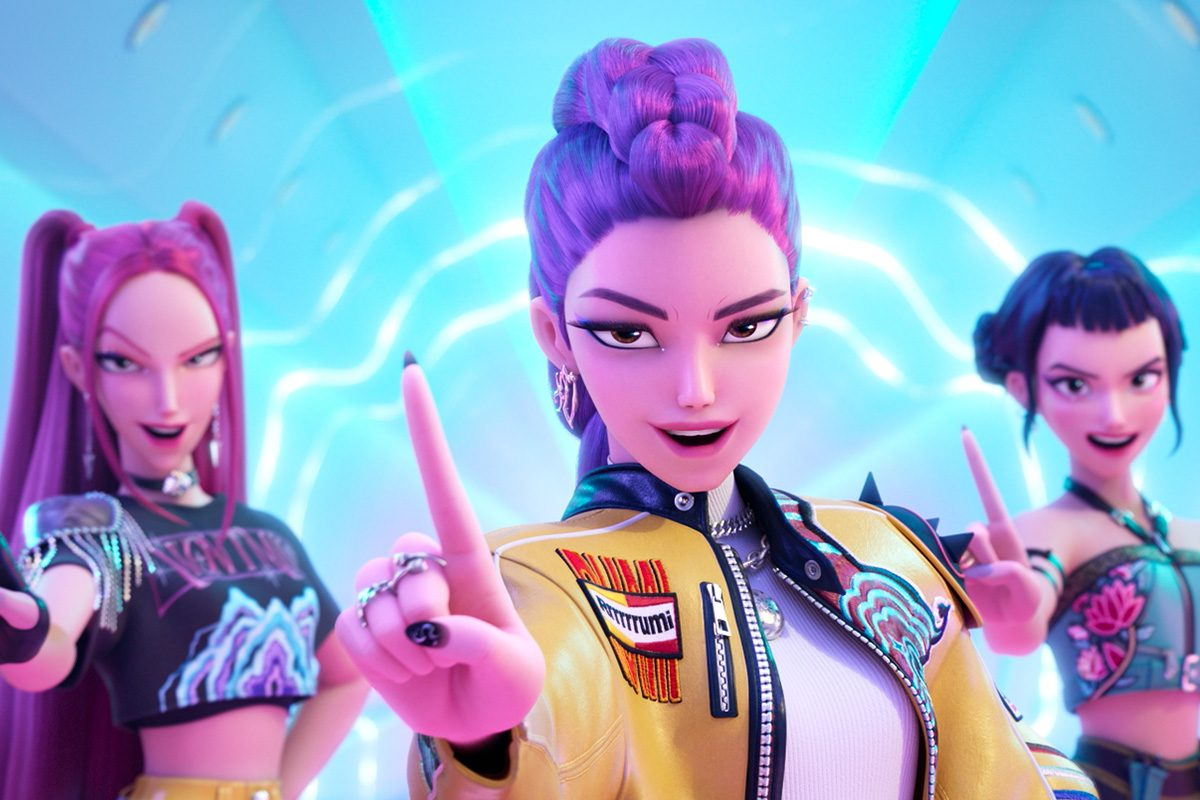
Introduction to Kpop Demon Hunters
The concept of Kpop demon hunters is a fascinating amalgamation of South Korean pop culture and supernatural fantasy, signifying a notable expansion in the realm of entertainment. This genre typically revolves around a narrative where characters are depicted as demon hunters, often equipped with charm, vigor, and stylish aesthetics, akin to those seen in Kpop music and fashion.
Venturing beyond traditional Kpop narratives, these demon hunters navigate dynamic worlds where they confront dark forces, thus weaving epic tales that captivate audiences both in South Korea and internationally. The genre masterfully incorporates common themes found in popular culture, including friendship, loyalty, and the struggle between good and evil. Characters are frequently portrayed with relatable backgrounds, enhancing audience connection while showcasing a blend of strength and vulnerability.
The allure of Kpop demon hunters lies not just in their supernatural abilities, but also in their multifaceted personalities, often influenced by the familiar tropes of Kpop idols. As viewers delve into these fictional realms, they are met with vibrant storytelling that marries high-energy performances with gripping adventures. The characters typically embody an array of qualities, from the enigmatic leader of the hunter group to the humorous sidekick, creating a rich tapestry of interactions that appeals to a variety of audiences.
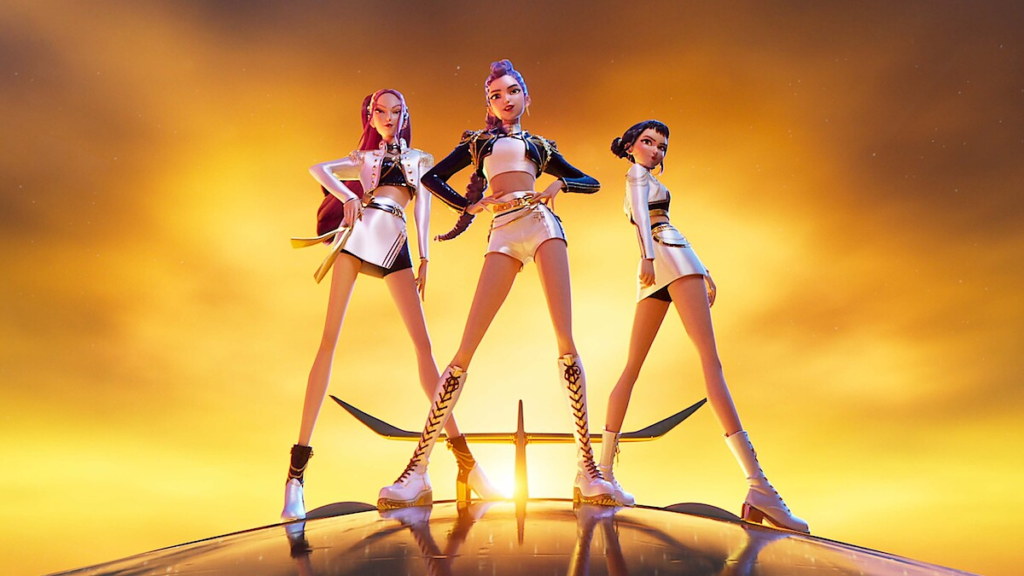
Furthermore, this genre serves as a platform to explore deeper themes such as identity, self-discovery, and the moral implications of wielding power against evil forces. The fusion of Kpop elements with fantasy not only entertains but also sparks conversations about societal issues, making Kpop demon hunters a significant development in modern entertainment.
The Evolution of Kpop Demon Hunters in Media
The genre of Kpop demon hunters has seen a fascinating evolution since its inception in the entertainment industry. Initially, the thematic elements associated with demon hunting emerged within the context of Kpop music videos and performances, where supernatural motifs were visually presented to enhance the storytelling aspect of the artists’ works. As Kpop gained global recognition, the integration of demon hunting narratives began to resonate with a wider audience, leading to a multifaceted portrayal of characters combating dark forces.
One of the early notable examples can be traced back to the music video of a well-known Kpop group, where the choreography and visual elements were intricately linked to a storyline involving the struggle between good and evil. This music video set the precedent for subsequent Kpop releases, where artists began to incorporate similar themes, showcasing their roles as fierce defenders against supernatural entities. This approach not only appealed to fans of fantasy and horror but also commercialized the aesthetic, resulting in a surge of popularity.
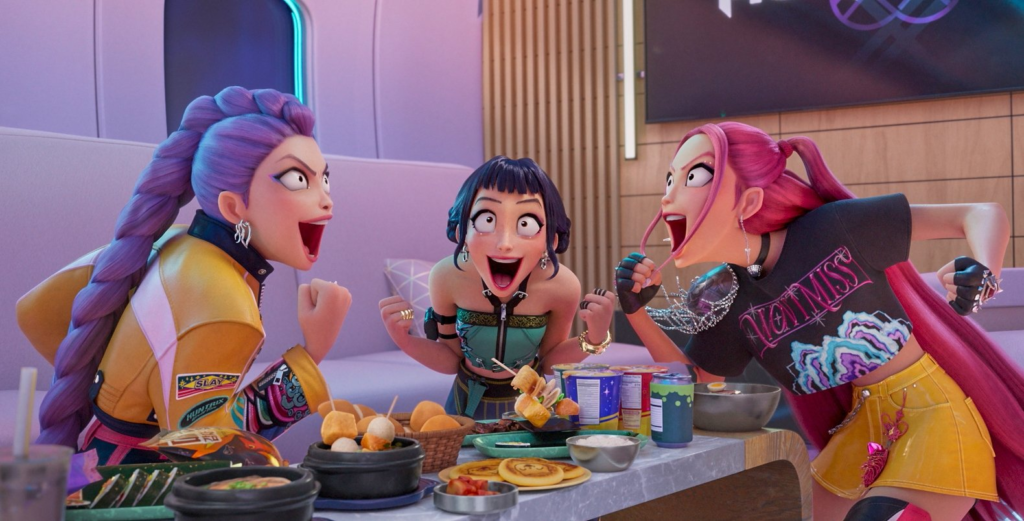
Furthermore, the influence of Kdramas cannot be overlooked in this genre’s expansion. Series depicting the journey of Kpop demon hunters have emerged, blending the intrigue of plotlines infused with mythological aspects of Korean culture. Noteworthy productions characterized by engaging narratives and high production values have significantly contributed to the prominence of this genre. For instance, a popular drama series interweaves romance and action with characters who embody the archetype of demon hunters, enticing not only Kpop fans but also a broader audience unfamiliar with the genre previously.
As the Kpop demon hunters’ genre continues to evolve, it reflects an amalgamation of artistic expression and cultural storytelling, forging connections within the global entertainment landscape.
Character Analysis: The Heroes and Villains of Kpop Demon Hunters
The Kpop demon hunters series has captured the attention of audiences by presenting a distinct blend of musical artistry and supernatural themes. Characterization plays a pivotal role in shaping the narrative, allowing viewers to engage deeply with the stories. The protagonists typically encompass a range of traits that make them relatable and compelling. Most of them are characterized by their resilience, showcasing an unwavering determination to protect their loved ones and society from malevolent forces. With backgrounds often involving personal loss or trauma, these heroes emerge not just as fighters but as individuals seeking resolution and a sense of belonging.
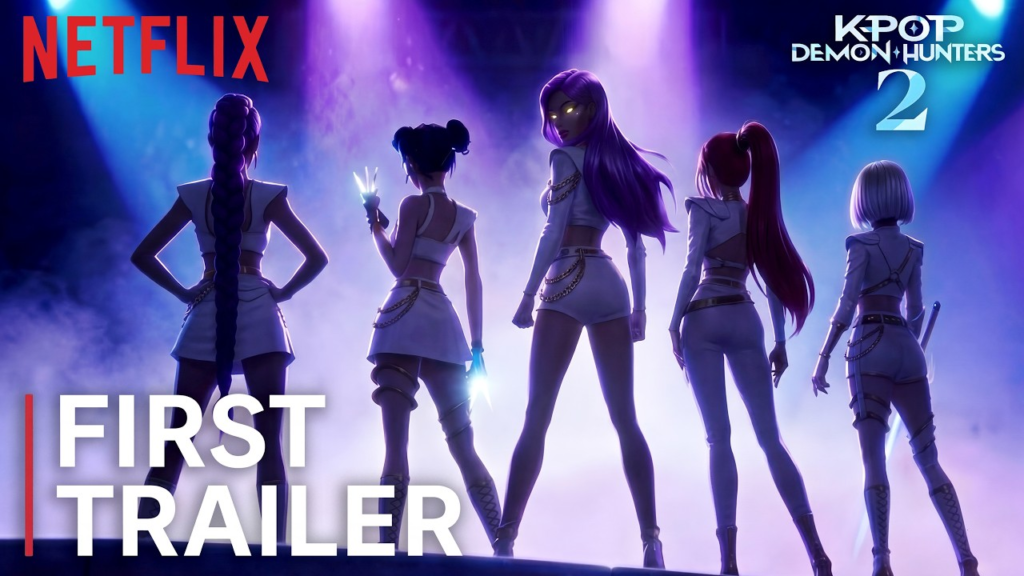
As the series progresses, these characters must grapple with their own inner demons—emotional conflicts that add depth to their heroism. This struggle is often symbolized by their music, wherein their performances serve as both an empowerment tool and a cathartic release. The duality of showcasing their vulnerable side while fighting against darkness resonates with audiences, creating a powerful connection between character and viewer.
On the other hand, the villains in Kpop demon hunters provide a stark contrast to the protagonists. These antagonists are characterized by their complexity, often embodying various shades of morality rather than pure evil. Their motivations frequently stem from personal grievances or philosophical beliefs about the world, which adds a layer of depth to their villainy. By portraying them as multifaceted characters rather than mere obstacles, the narrative challenges the audience’s perception of good and evil.
Ultimately, the blend of well-developed heroes and complex villains within the Kpop demon hunters universe leads to engaging storytelling that captivates viewers. This intricate characterization not only reflects real-life struggles but also provides a rich tapestry of emotions and themes that enhance the overall narrative, making it a unique genre in modern entertainment.
Cultural Impact and Fan Community of Kpop Demon Hunters
The emergence of Kpop demon hunters as a unique genre within the broader Kpop ecosystem has yielded a profound cultural impact, particularly among fans. These enthusiasts, drawn to the intricate narratives and visually compelling aesthetics, have found a means of expressing their passion through various forms of engagement. Social media platforms serve as vital environments where fans share their interpretations, celebrate their favorite characters, and connect with like-minded individuals. This collaborative spirit helps unearth hidden narratives within the genre, nurturing a shared culture surrounding Kpop demon hunters.
Fan engagement manifests in numerous ways, notably through the creation of fan art and fan fiction. Artists and writers contribute to the Kpop demon hunters lore, crafting stories that intertwine the lives and battles of their beloved characters with the personal experiences of idols. Such contributions not only enhance the mythology of Kpop demon hunters but also empower fans to experiment with creativity, thereby fostering a sense of community. Moreover, various fan projects and initiatives are organized, knitting together diverse individuals under the umbrella of a shared enthusiasm for this genre.
Online discussions and exchanges within forums and social media platforms reveal the depth of knowledge and passion fans have for Kpop demon hunters. These dialogues span various topics, including theories about character backstories, critiques of recent releases, and predictions for future content. By participating in these discussions, fans enrich their engagement and contribute to the collective consciousness of the Kpop demon hunters community. Ultimately, the cultural resonance of this genre not only entertains but also cultivates a vibrant fan culture steeped in creativity and collaboration, reflecting the dynamic nature of the Kpop phenomenon.
