


What Are Basqueserpartists?
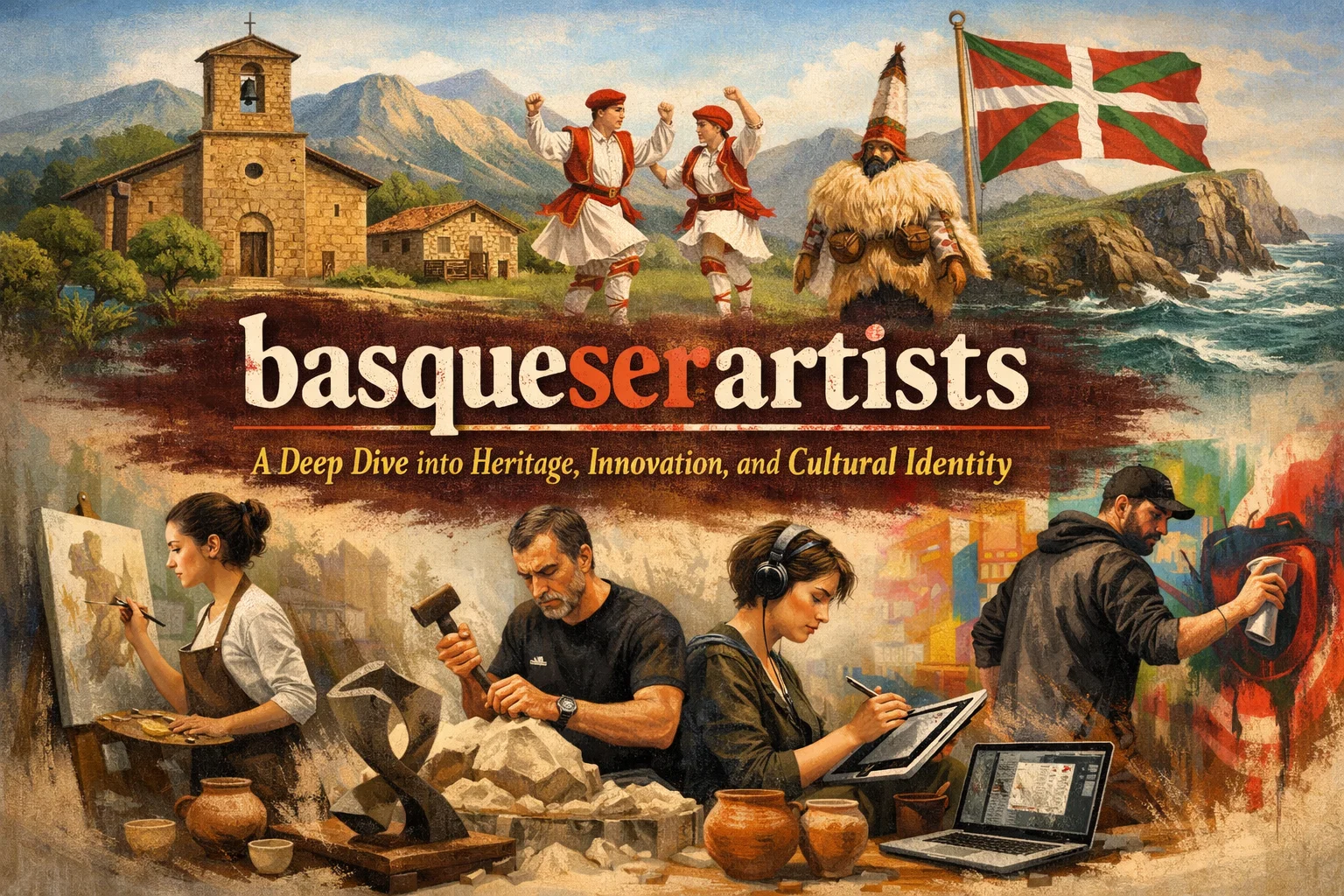
The term basqueserpartists refers to a distinct group within Basque culture, synonymous with the artistic and cultural expressions that shape the identity of the Basque people. The origins of this term can be traced back to the desire of Basque individuals to cultivate and share their unique heritage through various artistic mediums, including music, dance, and visual arts. The basqueserpartists hold a significant place within the rich tapestry of Basque culture, which is characterized by its strong historical roots and vibrant local traditions.
Basqueserpartists engage in a myriad of artistic forms that not only highlight their cultural roots but also serve as a means of social expression. From traditional festivals that celebrate ancient rituals to contemporary artistic endeavors that fuse modern elements with time-honored practices, the work of basqueserpartists reflects a deep commitment to preserving and innovating upon their cultural narrative. The Basque language, Euskara, plays a crucial role in their art, often featuring prominently in songs, poetry, and storytelling.
The importance of basqueserpartists extends beyond mere artistic expression; they are vital in fostering community ties and reinforcing cultural identity among Basques. These artists often act as cultural ambassadors, showcasing the nuances of Basque folklore, cuisine, and community life to wider audiences. As such, their contributions help to sustain the cultural continuum and ensure future generations remain connected to their heritage.
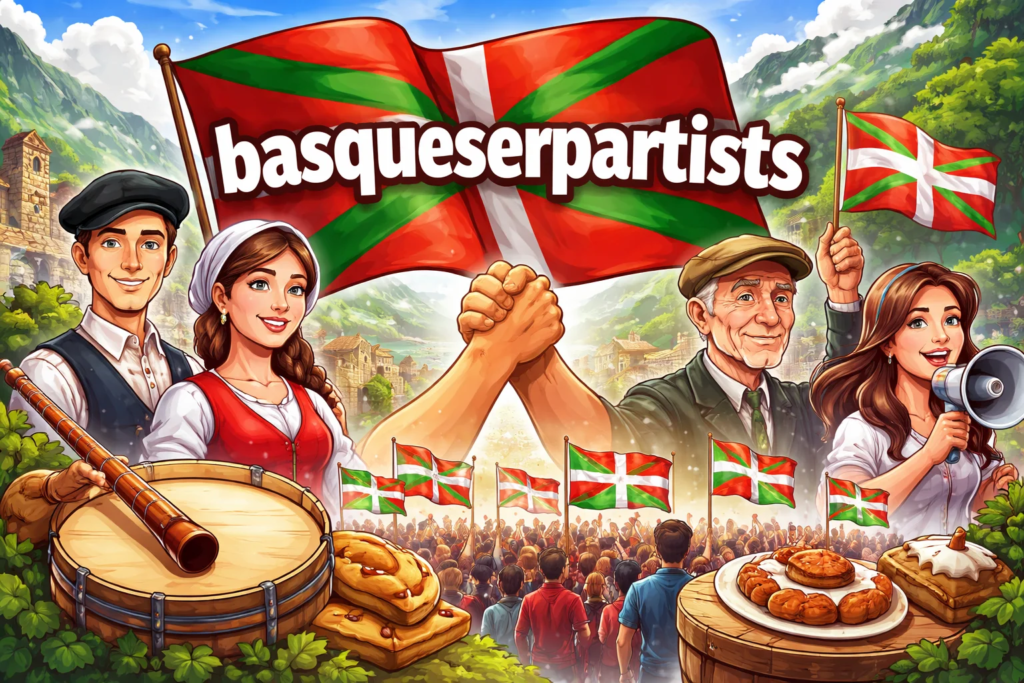
In essence, the basqueserpartists represent a dynamic fusion of tradition and modernity, making them emblematic of the resilience and creativity found within Basque society. Their influence is felt not only in local contexts but also in broader discussions surrounding cultural diversity and artistic expression globally.
The Artistic Expressions of Basqueserpartists
The cultural landscape of the Basque Country is greatly enriched by the vibrant artistic expressions of basqueserpartists, who have a profound connection with their regional identity. These artists engage in various forms of art, including traditional crafts, contemporary works, and performance art, each resonating with the spirit of Basque heritage.
Traditional crafts form the backbone of Basque artistry, with artisans employing age-old techniques to create functional and decorative items. Notably, the handcrafted woodwork and intricate textile work showcase the skilled craftsmanship that has been passed down through generations. Artisans often incorporate local motifs and symbols, thereby grounding their work in the rich folklore and history of the Basque region. For instance, the use of ‘sarga’ weaving in textiles not only highlights the aesthetic appeal but also emphasizes cultural significance.
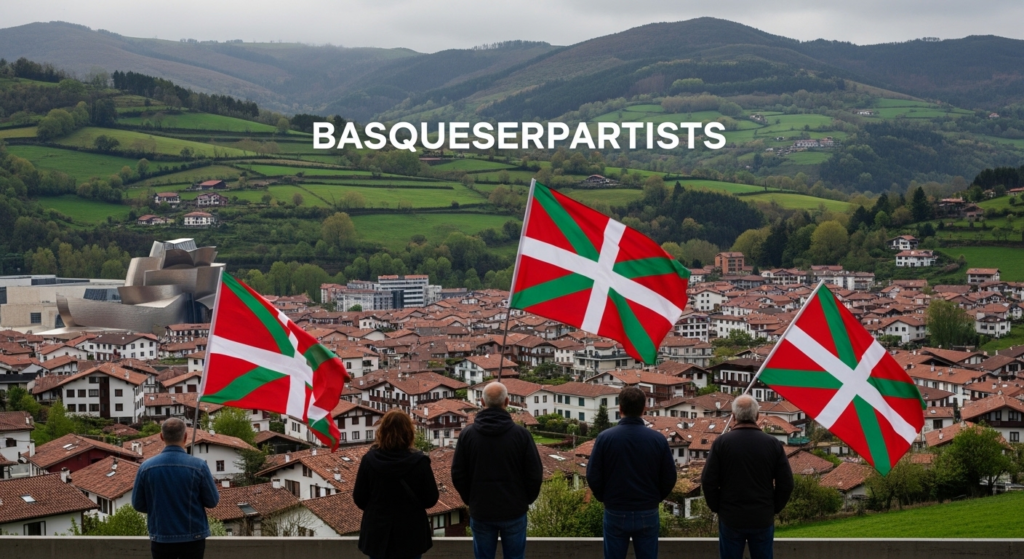
On the other hand, contemporary art created by basqueserpartists reflects the dynamic socio-political context of modern Basque society. Influential artists, such as sculptor Eduardo Chillida and painter Jorge Oteiza, have gained international recognition for their innovative approaches, which merge abstraction with references to the local landscape and culture. Their works often provoke thought and dialogue around identity, tradition, and modernity, inviting viewers to engage with the essence of what it means to be Basque.
Performance art also plays a vital role in the Basque cultural scene. Traditional dances, such as the ‘ezpatadantza,’ reveal the historical narratives of the Basque people and are frequently performed during regional festivals. These performances serve as a powerful means of storytelling, bringing communities together while reinforcing their cultural bonds. The infusion of contemporary elements into these traditions by modern basqueserpartists further illustrates the evolving nature of Basque identity.
In essence, the artistic expressions of basqueserpartists are a testament to the richness of Basque culture, revealing the intricate relationship between art and identity. Through traditional and contemporary mediums, these artists continue to shape and redefine the cultural heritage of the Basque Country.
The Influence of Basqueserpartists on Modern Culture
Basqueserpartists have carved a significant niche in modern culture, both within the Basque Country and beyond. Their art not only reflects traditional Basque roots but also engages with contemporary themes and global narratives. Through a variety of mediums, these artists have managed to intertwine their cultural heritage with modern artistic expressions, thus fostering a unique blend that resonates with diverse audiences.
Collaborations between basqueserpartists and contemporary artists from different backgrounds have led to innovative projects that bridge cultural divides. For instance, many basqueserpartists have partnered with international artists to create hybrid artworks that challenge conventional perceptions of identity and cultural expression. This exchange of ideas and techniques has enriched the art world, enabling these artists to garner recognition and appreciation far beyond their geographical confines.
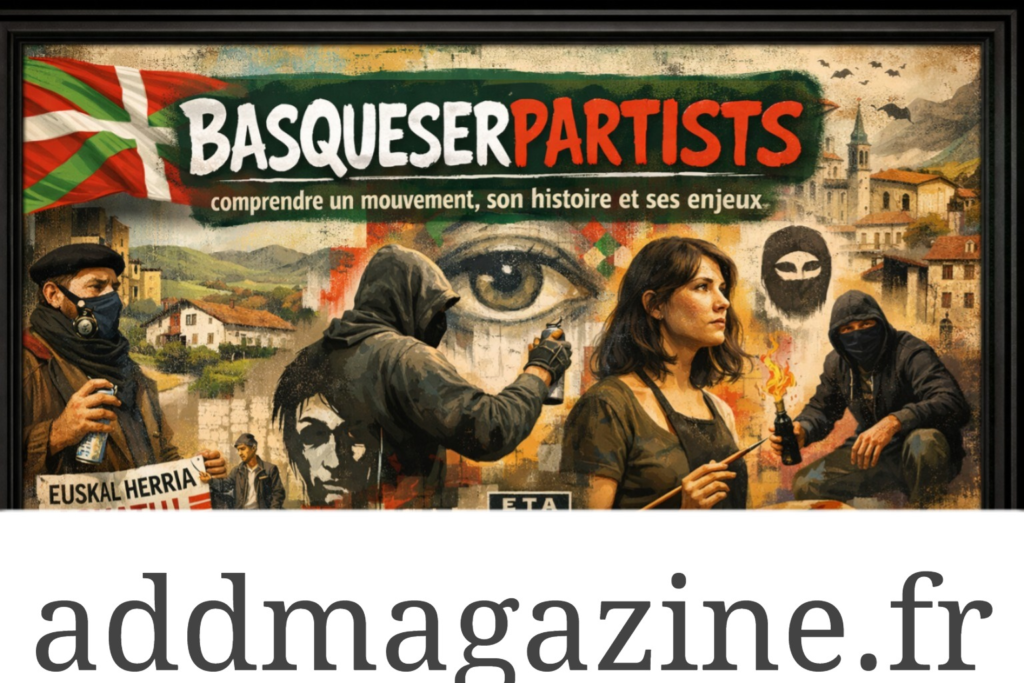
The role of basqueserpartists in addressing social and political themes further amplifies their impact on modern culture. Many are vocal advocates for social justice, utilizing their work to comment on current issues such as immigration, nationalism, and environmental concerns. By embedding such themes in their art, they engage viewers in critical conversations about society and politics, thus becoming integral to the discourse surrounding cultural identity and social responsibility.
Moreover, the global promotion of Basque culture has been largely attributed to the efforts of these artists, who actively participate in international exhibitions and festivals. Such platforms provide them with opportunities to showcase their work and educate audiences about their heritage, yielding a greater appreciation for the complexities of Basque culture. As a result, basqueserpartists not only preserve their cultural legacy but also contribute significantly to the dialogue of modern art, thus making a lasting impact on contemporary cultural landscapes.
Future of Basqueserpartists: Challenges and Opportunities
The future of basqueserpartists is a compelling subject, considering the myriad of challenges they face in an ever-evolving world. Globalization poses a considerable threat to the preservation of their unique cultural expressions. As cultural boundaries blur, there is a risk of traditional forms of art being overshadowed or diluted by dominant global cultures. This can lead to a loss of distinct identities that are integral to the existence of basqueserpartists.
However, challenges can also pave the way for opportunities. The contemporary landscape offers avenues for innovation, allowing basqueserpartists to blend traditional techniques with modern expressions. Digital platforms, for instance, provide artists with a global audience, enabling them to showcase their work far beyond their local communities. This exposure can not only generate interest but also encourage collaborations that may enrich the artistic landscape.
Interviews with various artists and cultural experts reveal a nuanced view of these dynamics. Many basqueserpartists express a hopefulness about the future of their practice. By engaging with diverse mediums and community outreach, they assert that they can maintain the essence of their heritage while also adapting to modern sensibilities. Individuals advocating for the arts emphasize the importance of education programs focusing on traditional techniques, which can imbue younger generations with respect and knowledge of their cultural heritage.
In conclusion, while the future holds significant challenges for basqueserpartists, it also brims with potential for growth and adaptation. Balancing cultural preservation with innovation will be key in ensuring that the rich tapestry of their art continues to thrive amid the shifting tides of societal changes.
