


What is a Laser Level and Why You Need One
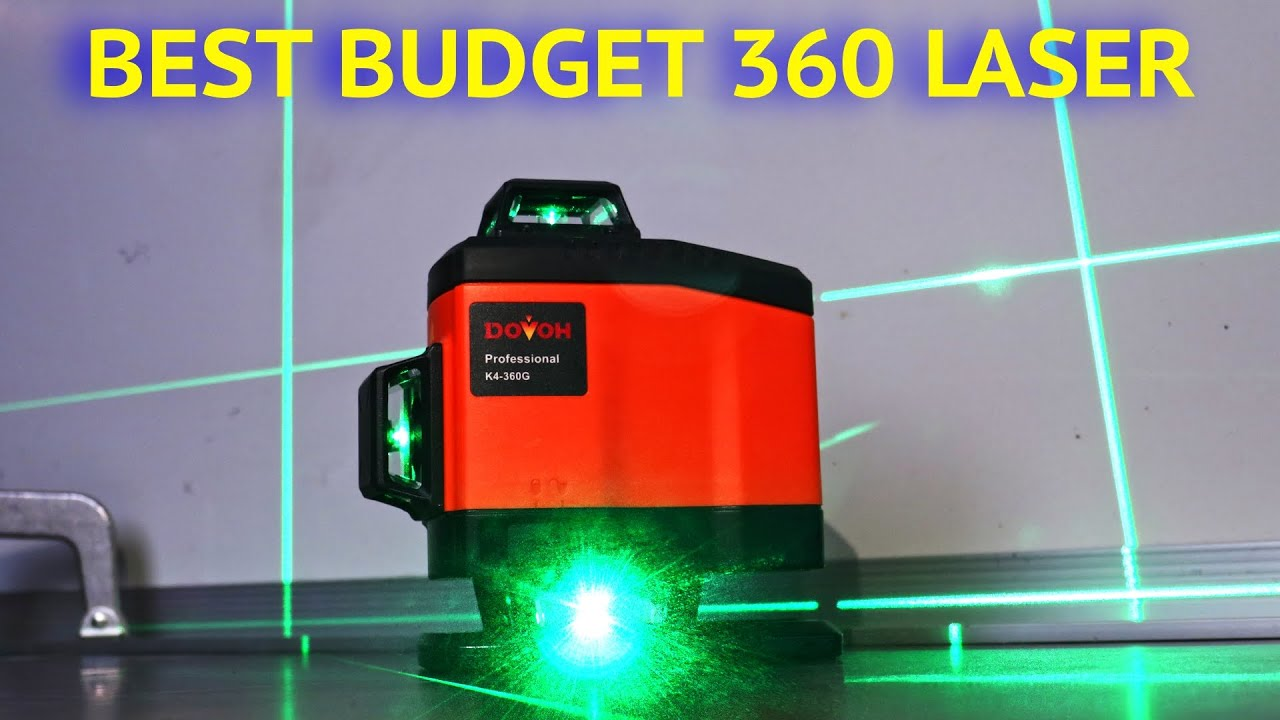
best laser level is a precision instrument used in construction, home improvement, and various DIY projects to ensure accurate leveling and alignment. Utilizing advanced laser technology, this tool projects a bright laser beam onto surfaces to create a reference line that can easily be seen and followed. The primary purpose of a laser level is to eliminate guesswork in leveling tasks, making it an essential tool for both professionals and amateurs who demand high accuracy in their work best laser level.
best laser level function by emitting a best laser level that establishes a level plane or vertical line, achieved through the use of a pendulum or electronic self-leveling system. The laser can project horizontal or vertical lines depending on the specific tool’s design. Furthermore, advanced models may offer multiple lines, which are beneficial for complex projects requiring precise alignment in different directions.
The practical applications of a best laser level are extensive and can significantly enhance the quality of work in various fields. For instance, in construction, it assists in aligning framing, shelving, and flooring, ensuring that everything is perfectly level and plumb. In home improvement projects, such as hanging wallpaper or installing cabinets, a best laser level provides accurate guidelines, reducing the potential for errors and ensuring a polished finish. DIY enthusiasts also benefit from this tool by achieving professional-quality results in tasks ranging from tiling to painting.
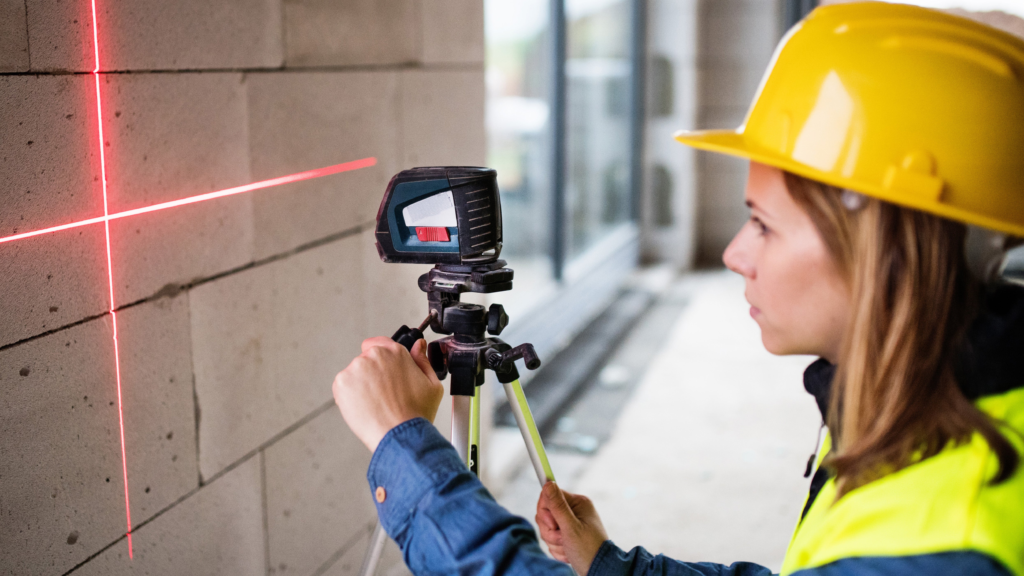
Accuracy plays a critical role in leveling tasks; even minor discrepancies can lead to significant issues down the line. The best laser level minimizes these risks by providing a steady and reliable reference, thus improving both efficiency and precision in various applications. With this tool in hand, users can confidently tackle projects with the knowledge that they are achieving the utmost accuracy required for successful outcomes.
Features to Look For in the best laser level
When selecting the best laser level, several essential features should be carefully considered, as they significantly impact usability and effectiveness. One of the primary aspects is the measurement range. A good laser level should offer an adequate distance range to meet the requirements of various projects, from small indoor tasks to large outdoor constructions.
Another critical feature is accuracy. best laser levels typically offer a precision of within a few millimeters, which is crucial for ensuring that measurements are reliable, especially in professional settings. An accurate level minimizes the risk of costly mistakes, making this a vital consideration for both professionals and DIY enthusiasts.
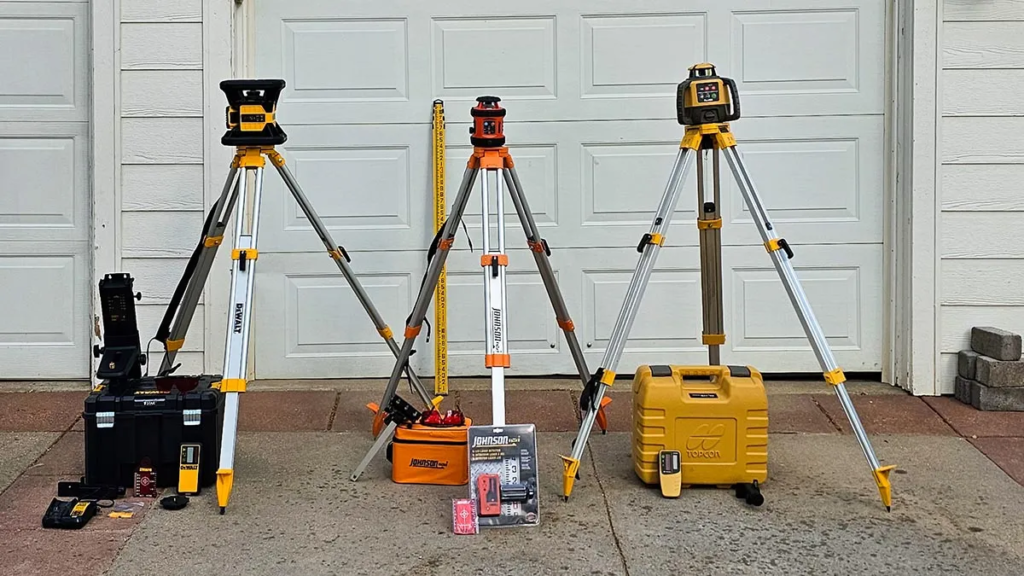
Battery life is also an important factor. A laser level with extended battery life ensures that the device can be used for prolonged periods without needing frequent recharging or new batteries. This attribute is particularly beneficial for extensive projects where interruptions could lead to inefficiencies.
Durability is another key feature to look for. A robust build quality that can withstand the rigors of job sites, including exposure to dust, moisture, and physical impact, guarantees your investment lasts over time. Many of the best laser levels come with protective casings or are rated to be water and dust resistant.
Additionally, functionalities such as self-leveling capabilities, slopes, and LED indicators greatly enhance usability. Self-leveling features automatically ensure that the laser is perfectly horizontal or vertical, saving time and effort. Slope functionality allows users to set angles easily, making it versatile for different tasks. Lastly, LED indicators provide clear visibility of the laser line, improving accuracy and ease of use.
Top Recommendations for the Best Laser Level on the Market
When selecting the best laser level, various options cater to different needs, preferences, and budgets. Here, we present a curated list of top laser levels, providing essential insights to aid your decision-making process.
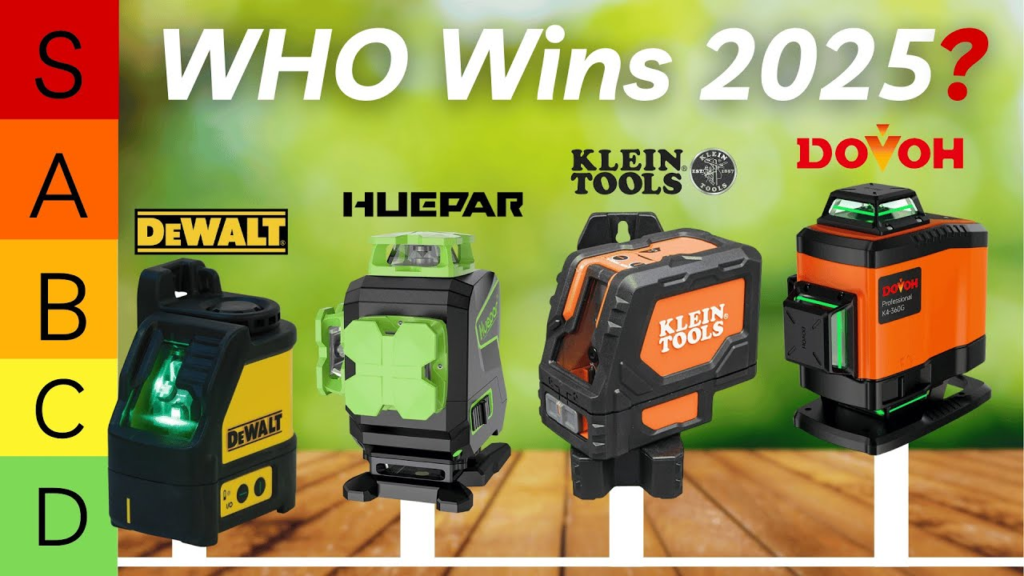
1. Bosch GLL30 Self-Leveling Cross Line Laser: This model is known for its exceptional precision. Offering a self-leveling feature within a range of ±4 degrees, it operates well in both indoor and outdoor settings. It projects bright red horizontal and vertical lines, which are easy to see even under bright lighting conditions. One drawback is its reliance on a range of batteries.
2. Huepar 603CG Self-Leveling Green Laser Level: Famous for its vibrant green laser, which is four times brighter than standard red lasers, this option excels in visibility. With a working range of up to 130 feet, the Huepar 603CG is particularly beneficial for larger spaces. It’s also equipped with pulse mode, enhancing its effectiveness outdoors. However, it can be slightly pricier than basic models.
3. Johnson Level & Tool 40-6512 Laser Level: This versatile option is ideal for those seeking a budget-friendly choice without sacrificing quality. The Johnson model features a level with a sturdy aluminum frame and offers both horizontal and vertical lines. Although it lacks some advanced features found in higher-end models, it still provides excellent accuracy and ease of use.
4. DEWALT DW088K Cross Line Laser Level: Renowned for its robust construction and reliable performance, the DEWALT model offers a range of up to 165 feet. Its self-leveling capability further enhances its usability, making it suitable for both professional and DIY projects. However, some users might find the setup process less intuitive than other laser levels.
Each of these laser levels represents some of the best options currently available, allowing you to choose one that fits your specific requirements, whether for professional or home use, ensuring precision in your leveling tasks.
Tips for Using Your Laser Level Effectively
Utilizing a laser level can significantly enhance the precision of your projects, provided you follow specific best practices for setup and calibration. Firstly, always ensure that the area where you are using the best laser level is clean and free from debris. This will help you achieve an accurate reading. Once the area is prepared, place the laser level on a stable surface to avoid any unnecessary movement that could distort the line.
Calibration is an essential step that should never be overlooked. Most modern laser levels come with a built-in calibration feature, which should be utilized according to the manufacturer’s instructions. If your model doesn’t include automatic calibration, you may have to adjust it manually. To do this accurately, check the level against a reliable reference point to confirm that it produces a straight line. Taking the time to calibrate correctly can save you from errors in your measurements.
Reading the laser line accurately is vital for effective use. Ensure that your eyes are aligned with the laser beam to avoid parallax errors. If you find that the light is dim in bright environments, using a laser enhancement lens can significantly improve visibility. Many users find it beneficial to mark the laser line on the wall with a chalk line or pencil for better tracking during longer projects.
Laser levels are versatile tools suitable for various tasks, including hanging pictures, aligning cabinetry, or laying tile. In construction, they aid in transferring heights or for grading levels across larger areas. However, issues like low battery power or misalignment may arise. Regularly check the battery life, and if misalignment occurs, recalibrate before proceeding. Understanding common pitfalls will build your confidence, enabling you to execute your project with the utmost precision.
