


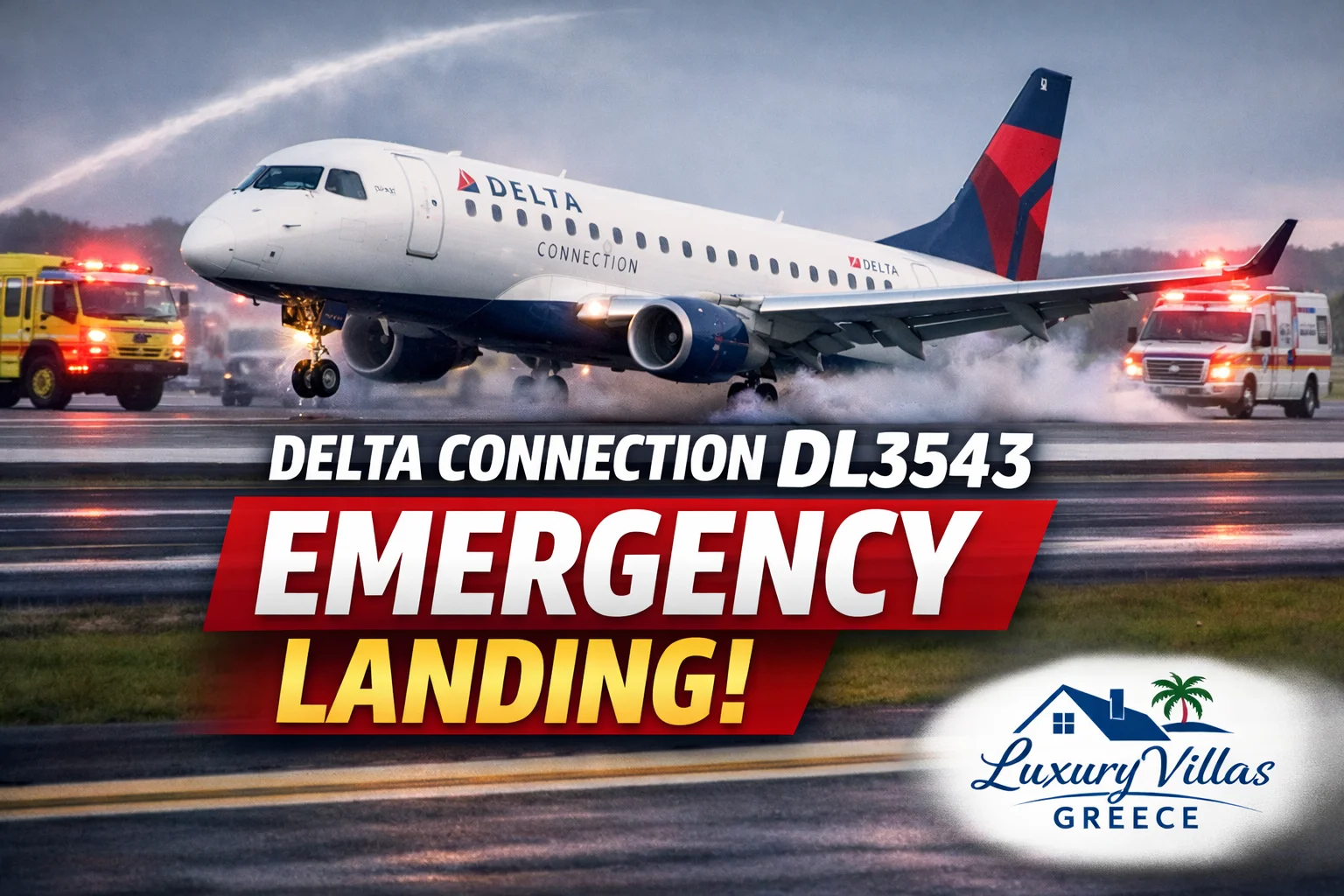
Overview of Delta Connection DL3543
delta connection dl3543 emergency landing is a regional flight operated by Delta Connection, an integral part of the Delta Air Lines brand, specializing in providing short to medium-haul services connecting smaller airports with major hubs. This specific flight operates between two key destinations, departing from Montgomery Regional Airport (MGM) in Alabama and arriving at Atlanta’s Hartsfield-Jackson International Airport (ATL), one of the busiest airports in the world. Typically, the aircraft used for this route is a Bombardier CRJ-900 or similar regional jet, which is well-suited for short-distance travel while maintaining passenger comfort.
delta connection dl3543 emergency landing brand encompasses several regional airlines that operate flights under the Delta Air Lines umbrella. This strategy allows Delta to maximize its reach and offer more extensive service options to its customers. The operational protocols for delta connection dl3543 emergency landing are rigorously maintained to ensure safe and efficient travel. With a fleet predominantly made up of Bombardier and Embraer aircraft, Delta Connection emphasizes reliability and performance, reflecting the overall standards of Delta Air Lines.
Understanding the reference to delta connection dl3543 emergency landing emergency landing sheds light on the operational challenges that regional airlines can face. In this particular incident, various factors contributed to the decision to conduct an emergency landing, including technical malfunctions or adverse weather conditions. The decision to divert or land an aircraft unexpectedly is taken with the utmost care, always prioritizing passenger safety above all else. Overall, this flight’s operations illustrate both the complexity of airline logistics and the importance of maintaining high safety standards in the aviation industry.
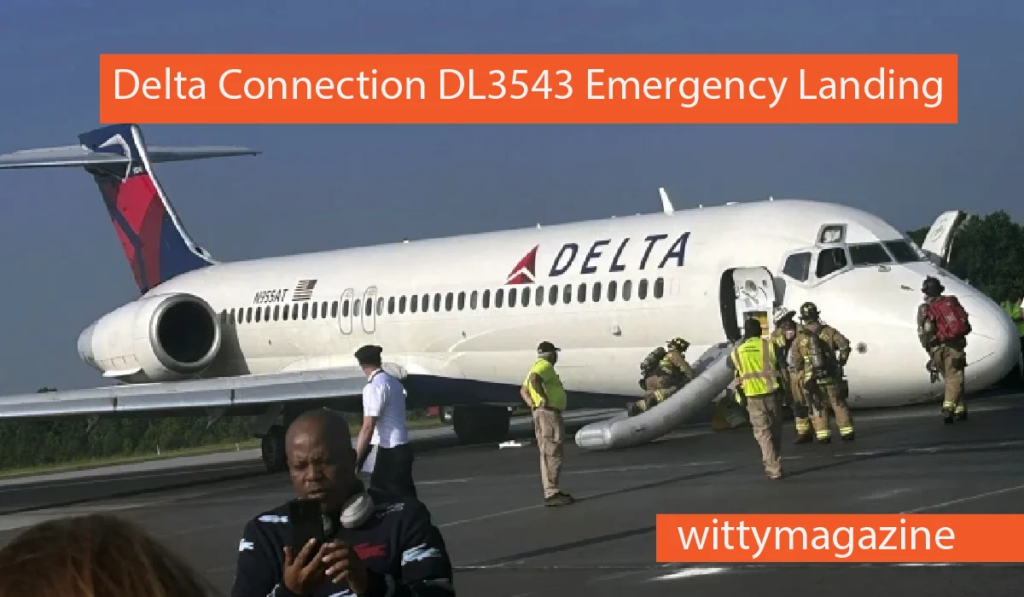
Timeline of Events Leading to the Emergency Landing
The sequence of events leading to the emergency landing of delta connection dl3543 emergency landing began on the morning of the flight. The aircraft, a Bombardier CRJ-900, departed from Hartsfield-Jackson Atlanta International Airport bound for New York’s LaGuardia Airport. Shortly after takeoff, approximately 10 minutes into the flight, the flight crew reported a sudden alert from the aircraft’s systems indicating a possible mechanical issue.
As the delta connection dl3543 emergency landing continued its ascent, the flight crew initiated a thorough assessment of the situation. It became apparent that there was a malfunction related to the landing gear indicators, raising concerns regarding the reliability of landing gear deployment. Given the potential implications of such a malfunction, the flight crew promptly decided to return to Atlanta. In line with aviation safety protocols, they communicated their situation to air traffic control and began to prepare for a potential emergency landing.
While the aircraft was turning back to Atlanta, flight attendants ensured that passengers were briefed on the situation. According to several passengers, the tone of communication from the crew remained calm and professional, which helped alleviate anxieties on board. The flight crew also conducted a series of checklists to manage potential emergency scenarios. After about 30 minutes of flight time since takeoff, the aircraft began its descent toward Atlanta.
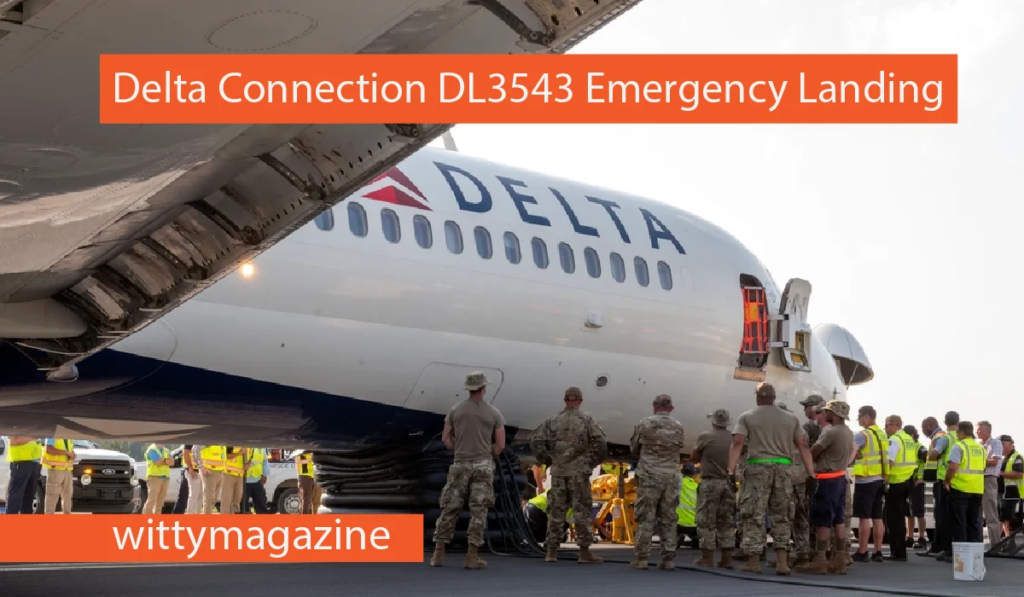
As Delta Connection DL3543 approached the runway, the pilots executed a landing procedure that was ready to accommodate any situation related to the landing gear malfunction. Emergency services were on standby at the airport, prepared for any eventuality. Ultimately, the aircraft landed safely, with no injuries reported among the 76 passengers and crew onboard, thanks to the effective measures and communication maintained throughout the flight.
Emergency Response and Passenger Experience
The emergency landing of Delta Connection DL3543 sparked a rapid and coordinated response from the airline’s crew members, who acted in accordance with established emergency protocols. Upon detecting the situation that necessitated an emergency landing, the flight crew promptly communicated with air traffic control and initiated the necessary procedures to ensure the safety of all passengers on board.
In line with standard operating procedures for such emergencies, the crew efficiently prepared the cabin for landing. This involved instructing passengers on the brace position and ensuring that they were securely fastened in their seats delta connection dl3543 emergency landing. Safety measures were emphasized, particularly the importance of staying calm and following the crew’s instructions carefully. The professionalism exhibited by the flight attendants served to reassure the passengers that their safety was the top priority.
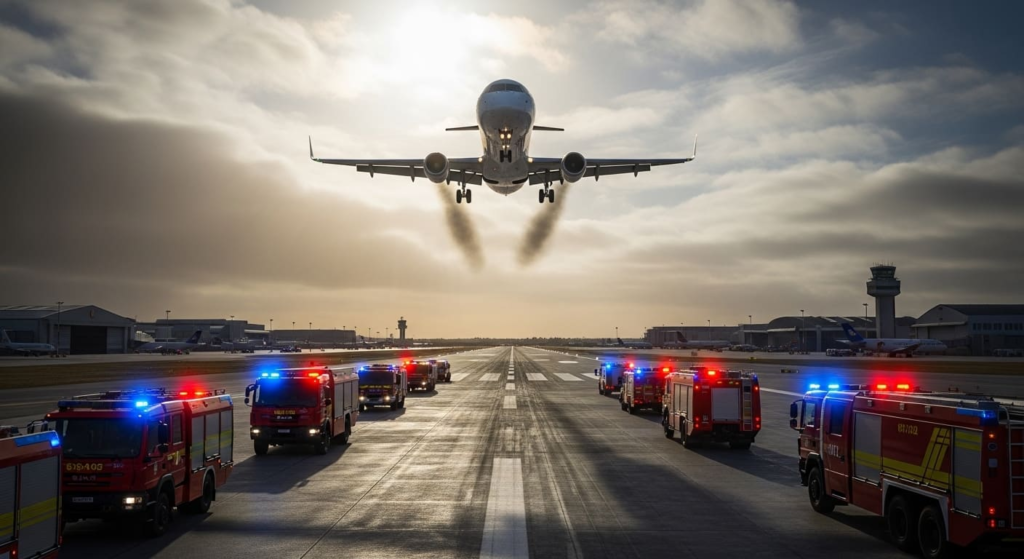
As the aircraft approached the runway, the presence of emergency response teams on standby highlighted the sevedelta connection dl3543 emergency landingDelta Connection DL3543 landed safely, the crew executed an orderly evacuation, allowing passengers to leave the aircraft in a controlled manner, while also utilizing emergency slides as needed. This quick response under pressure helped to mitigate potential injuries and provided an effective way to manage the situation.
Passenger reactions during this tense moment were varied. Many expressed feelings of anxiety and fear, yet others highlighted their gratitude for the crew’s competent handling of the emergency delta connection dl3543 emergency landing The shared experience of the landing generated a significant amount of conversation among passengers, with many recounting their thoughts and feelings during the ordeal. Overall, the emergency response and the subsequent passenger experience underscored the importance of preparedness and effective communication in managing aviation emergencies.
Analysis of Safety Protocols and Future Implications
The recent incident involving delta connection dl3543 emergency landing highlights the critical importance of robust safety protocols within regional airlines. In response to the challenges posed by such emergency situations, it is essential to evaluate both the current procedures in place and the potential enhancements that could be implemented to further ensure the safety of flights. The event reminds us that safety is an ongoing priority in aviation, especially regarding regional services where operational dynamics can differ from larger carriers.
Delta Connection, like other regional airlines, adheres to strict safety regulations established by aviation authorities. These protocols encompass rigorous pre-flight checks, comprehensive maintenance schedules, and structured emergency procedures. However, the delta connection dl3543 emergency landing emergency landing incident serves as a catalyst for reviewing these protocols. One significant takeaway is the necessity for continual training for flight crews that not only refreshes their abilities but also incorporates scenarios reflective of emerging risks. Enhancements in simulator training can provide pilots and cabin crew with realistic experiences of handling in-flight emergencies, thereby boosting preparedness.
Moreover, passenger safety awareness is paramount in creating a culture of vigilance and response. Airlines can improve communication about safety procedures during flight briefings, ensuring all aboard are familiar with emergency protocols. Such measures can empower passengers, encouraging them to remain calm and informed during an emergency, significantly aiding flight crews in crisis management.
In light of the delta connection dl3543 emergency landing event, the aviation industry must embrace adaptive learning from incidents. The lessons learned can drive improvements in safety measures and emergency training, fostering a more resilient aviation environment that prioritizes the well-being of both passengers and crew. The Delta Connection DL3543 incident ultimately reflects an opportunity for growth and advancement in the realm of aviation safety.
