


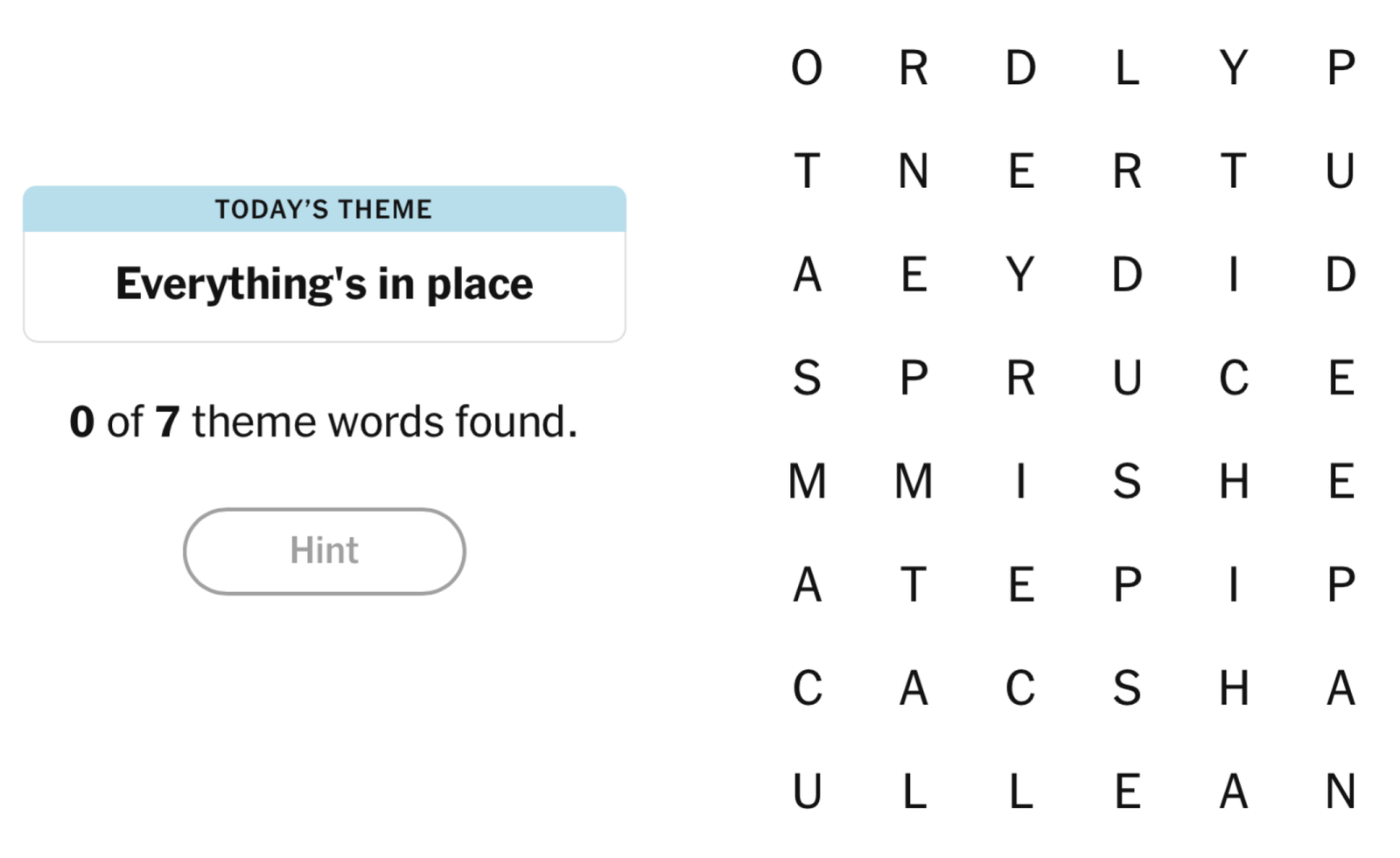
Understanding NYT Strands Hints: Definition and Purpose
NYT Strands hints are integral to the experience of solving crossword puzzles published by the New York Times. These hints serve as guided clues that aid solvers in deciphering the often cryptic words and phrases present within the puzzles. At their core, strands hints are designed to provide essential hints that lead players towards the correct answers, thereby enhancing engagement and enjoyment during the solving process. Without these hints, crosswords could become overwhelmingly challenging and potentially discouraging for enthusiasts.
The significance of NYT Strands hints lies in their ability to unravel the complexities of the crossword clues using a mix of contextual knowledge and clever wordplay. They invite solvers to think laterally and creatively, often pushing them to consider synonyms, antonyms, or even homophones while attempting to fill in the grid. This interactive approach not only promotes critical thinking but also heightens the enjoyment of deciphering the clues, making the overall experience more rewarding.
Furthermore, the hints commonly reflect themes that are current or relevant, which can engage solvers on multiple levels. Understanding the context behind the clues often leads to a greater appreciation of the methods employed by the puzzle creators. Both novice and seasoned solvers can benefit from grasping the underlying wordplay that these hints encompass. Consequently, recognizing and interpreting NYT Strands hints can transform the often solitary task of crossword solving into a stimulating and intellectually fulfilling challenge.
Types of Hints Found in NYT Strands
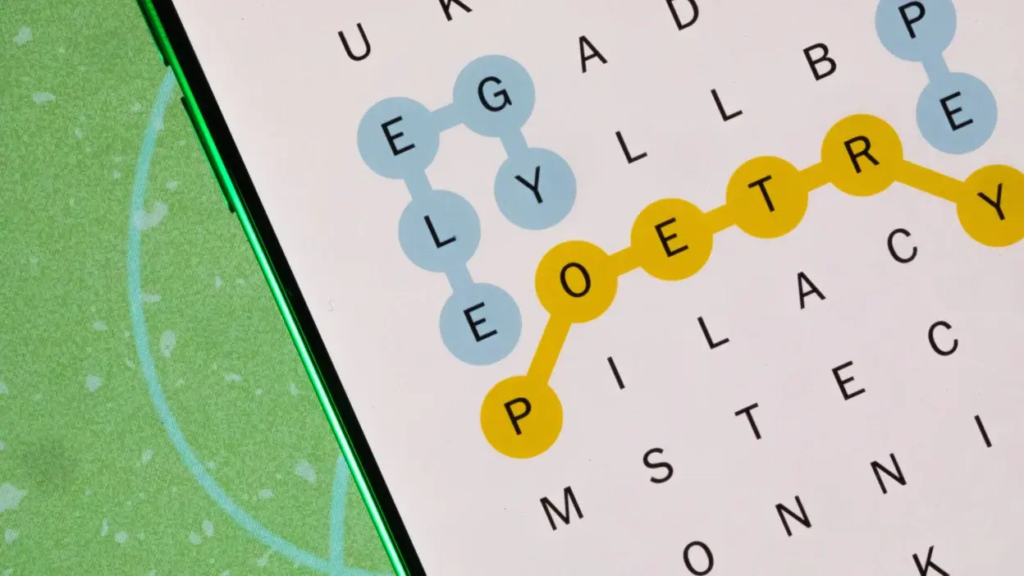
In the captivating world of New York Times Strands, various types of hints serve as crucial signposts for solvers navigating through the puzzle’s intricate landscape. Understanding these hints not only enhances efficiency but also enriches the overall experience of puzzle-solving. The primary categories of hints encountered include direct hints, playful wordplay, theme-based hints, and more obscure references.
Direct hints often present straightforward clues that lead to answers with minimal ambiguity. For instance, a direct hint might specify a particular city as the answer, requiring the solver to simply match that to the corresponding number of letters. This type of hint is generally clear and leaves little room for interpretation, allowing quick identification of the answer.
Playful wordplay is another common hint style, often characterized by puns or witty turns of phrase that challenge solvers to think creatively. For example, a hint like “An unstable element?” could refer to the word “volatile.” Such hints require a deeper level of thinking and a playful mindset, as they push solvers to look beyond conventional definitions.
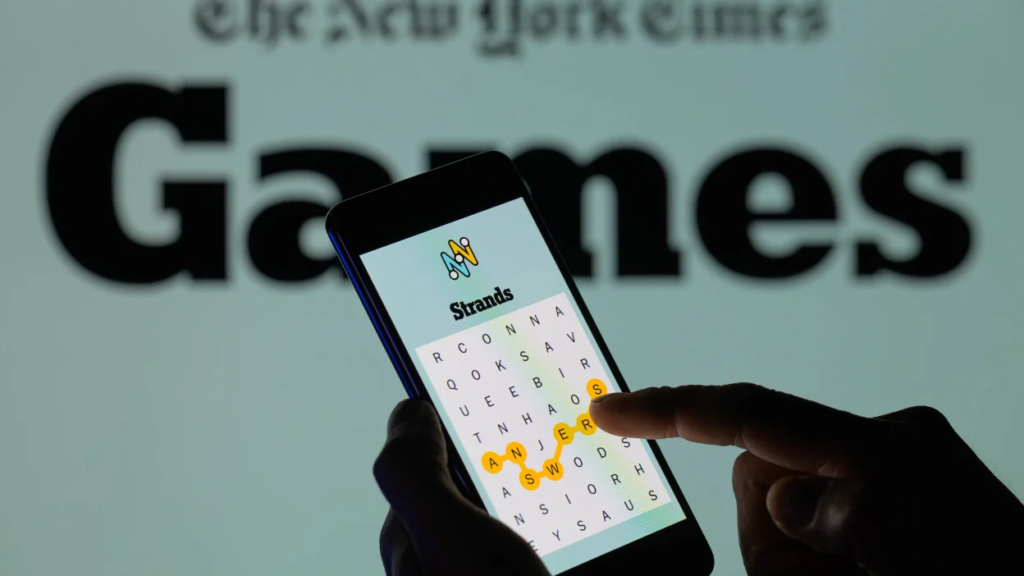
Theme-based hints reflect overarching themes or concepts within the puzzle, often linking multiple clues together. These hints can be particularly rewarding, as solving one may illuminate others, creating a web of interconnected answers. For example, a theme about classic literature could feature hints that reference famous authors or notable works, requiring solvers to draw on a breadth of knowledge.
Lastly, more obscure references may include cultural allusions, historical figures, or niche trivia. These hints often demand a broad understanding of various topics and can pose significant challenges to solvers. Identifying these less common clues can be a rewarding part of the experience, often prompting research and further learning.
Strategies for Solving NYT Strands Hints
Solving NYT strands hints can be both challenging and rewarding. Developing effective strategies is essential for enhancing one’s puzzle-solving capabilities. One of the primary techniques involves pattern recognition, where solvers familiarize themselves with the structure of common clues. Recognizing recurring themes or typical formats can help predict answers, leading to faster solutions.
Another useful strategy is understanding common themes present in the clues. The New York Times crossword often incorporates cultural references, wordplay, and recent events. By staying informed and practicing with a variety of crossword puzzles, solvers can improve their ability to decode these thematic hints. This familiarity allows solvers to make educated guesses based on the context of the clue.
Leveraging crossword-solving tools and resources is a further advantage. Numerous online platforms and apps provide functionalities designed to assist in understanding NYT strands hints. They offer databases of past puzzles, clue explanations, and forum discussions that can provide insights into tricky clues. These tools can facilitate learning and foster a deeper understanding of the art of crossword solving.
Moreover, developing a personal approach to tackling NYT strands hints can be invaluable. Each solver has unique strengths and weaknesses, and tailoring problem-solving strategies to one’s own style is crucial. Some may prefer starting with easier clues to build confidence, while others benefit from tackling the most challenging hints first. Experimenting with different methods can help individual solvers identify the approach that best suits them.
Both novice and experienced solvers can enhance their puzzle-solving skills by applying these strategies. With consistent practice and the use of targeted techniques, anyone can improve their proficiency in deciphering NYT strands hints, transforming the puzzle-solving experience into an enjoyable endeavor.
Common Pitfalls and How to Avoid Them with NYT Strands Hints
Many solvers encounter confusion when tackling NYT Strands hints, which can lead to unnecessary frustration. A prevalent mistake is overthinking the clues; solvers often look for complex answers when a straightforward solution exists. This approach can stem from an inflated expectation that every hint must be cryptically layered, causing one to misinterpret the directness of the clues. To avoid this pitfall, it is helpful to approach each hint with a clear mind, focusing on the literal meaning rather than searching for obscure references.
Another frequent error is the failure to consider the context provided by surrounding clues. NYT Strands hints are typically interrelated, meaning that solving one hint may unlock the understanding of another. By piecing together the solutions around a particular hint, solvers can gain insight that they might overlook if they solely focus on the hint in isolation. Consequently, collaborative solving can also enhance this process, as discussing possible interpretations with others can spark new ideas and provide updates to one’s perspective.
Wordplay is another crucial feature of NYT Strands hints that can lead to misunderstandings. It is essential to recognize that puns, anagrams, or alternative meanings can be involved. A common strategy is to read the hint out loud, which can help reveal hidden connections or suggest alternate interpretations. Additionally, practicing with various types of puzzles can sharpen one’s ability to identify patterns in clues, enhancing overall solving abilities.
In summary, effective strategies to navigate common NYT Strands hints pitfalls include maintaining a clear mindset, leveraging the context of surrounding answers, and embracing the nuances of wordplay. By adopting these approaches, solvers can enjoy a more satisfying and successful crossword experience.
