



What is Olympus Scanlation?
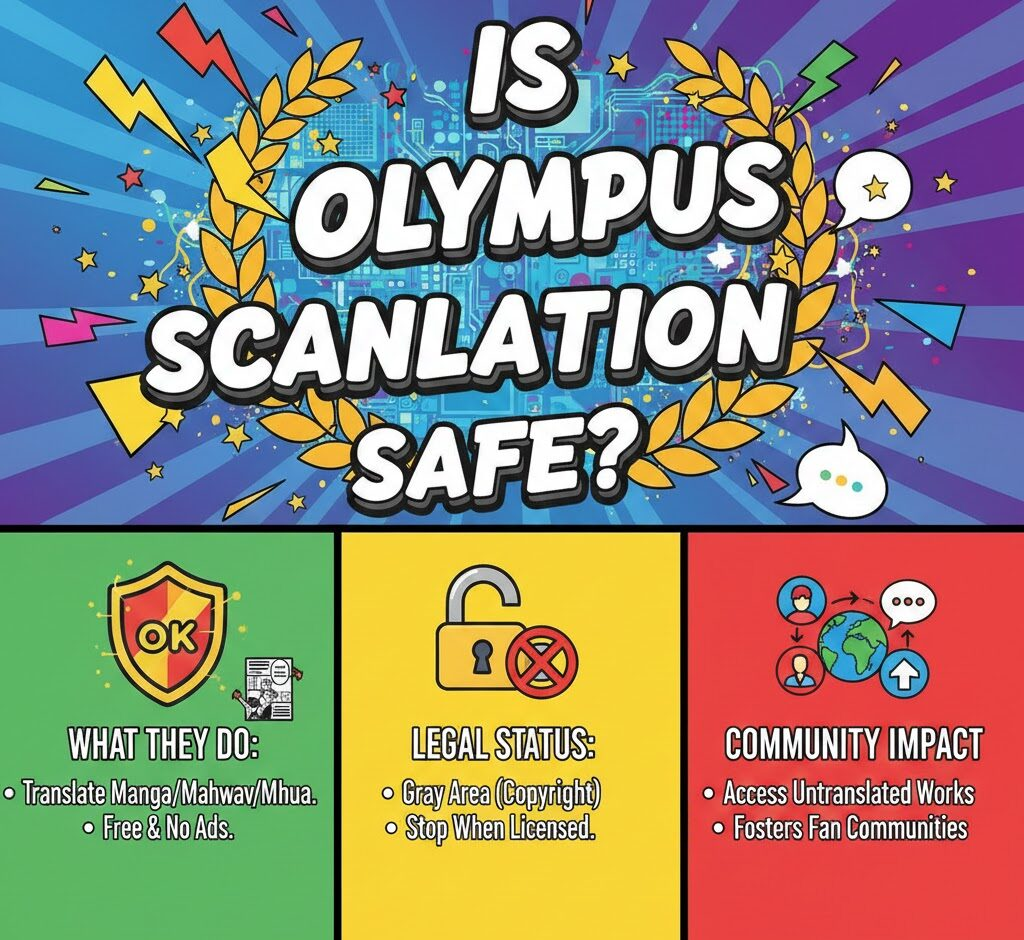
Olympus Scanlation refers to a specific fan-driven initiative dedicated to translating and distributing manga works that are not readily available in certain languages. The term “scanlation” itself is a blend of the words “scan” and “translation,” encapsulating the dual processes involved in this activity. Olympus Scanlation, as a distinct entity within the broader scanlation community, emerged with a mission to provide high-quality translations and to promote accessibility to diverse manga genres.
The origins of Olympus Scanlation can be traced back to the rise of digital sharing in the early 2000s, when manga enthusiasts sought to bridge the gap between imported Japanese works and international readers. This practice typically involves scanning printed manga, translating the text, and reformatting the images to incorporate the translated dialogue. Olympus Scanlation distinguishes itself from other groups by adhering to a set of core values, including a commitment to accuracy, the preservation of the original artwork, and the ethical responsibility of respecting creators’ rights.
The overall goals of Olympus Scanlation include fostering a large community of manga readers, promoting lesser-known titles, and creating a supportive environment for both translators and artists. The group is selective about the content it chooses to scanlate, often focusing on series that may not be licensed for international release, thus aiming to introduce readers to unique narratives that they might not encounter otherwise. Olympus Scanlation strives to stay true to the original tone and context of the manga while ensuring that the adaptations cater to the specific cultural nuances of its audience. Through this approach, Olympus Scanlation plays a vital role in the global manga landscape, blending cultural exchange with a passion for storytelling.

The Process Behind Olympus Scanlation
Creating a scanlation is a meticulous process that involves several key steps, each contributing to the final product that fans adore. At Olympus Scanlation, the journey begins with the acquisition of source material. This involves sourcing high-quality scans of manga pages from distributors or fans, ensuring that the artwork is clear and vibrant. The choice of source material is crucial, as it influences the overall aesthetic and legibility of the final scanlation.
The next step is the translation of dialogue and text within the pages. Translators at Olympus Scanlation work diligently to ensure that the original meaning, tone, and cultural nuances are preserved. This requires not only proficiency in Japanese and the target language but also a deep understanding of the manga’s context. Translators often collaborate with editors to refine dialogue, making it accessible and engaging for readers.
Once the translation is complete, the typesetting process begins. This entails fitting the translated text into the speech bubbles and panels of the manga pages. Proper typesetting is essential for maintaining the flow and readability of the comic while ensuring that the text harmonizes well with the artwork.
Following typesetting, the art and layout undergo editing. Editors enhance the original artwork, adjusting contrast, colors, and removing any artifacts that may detract from the reading experience. The collaborative nature of this phase is vital; feedback between translators, typesetters, and editors ensures that every element aligns cohesively.
Finally, the formatted scanlation is compiled and prepared for distribution. Olympus Scanlation prides itself on delivering high-quality work that showcases the beauty of manga while making it accessible to a broader audience. This collaborative effort demonstrates the intricate teamwork and diverse skills that are fundamental in the scanlation process.
The Impact of Olympus Scanlation on the Manga Community
The phenomenon of Olympus Scanlation has significantly influenced the manga community, serving as a bridge that connects fans worldwide to their favorite series. By translating and distributing manga works that may not be available in their native language, Olympus Scanlation provides critical accessibility to readers. Such contributions often enable popular series to gain traction, as they introduce new audiences to characters and narratives that they might not otherwise experience. This increased exposure can potentially elevate a series’ popularity, leading to higher sales figures when the titles are eventually officially licensed.
However, the relationship between scanlation, such as that produced by Olympus Scanlation, and official releases raises complex questions about legality and ethical considerations within the manga industry. While scanlation is often defended as a means of fostering fan engagement, critics argue that it can undermine official publishers and creators. Many industry professionals express concerns that free distribution of translated works may hinder the growth and sustainability of original manga, as potential customers might opt for festival-quality scanlations rather than supporting official releases.
Despite such criticisms, it is worth noting that scanlation can also act as a catalyst for fostering interest in manga. Olympus Scanlation and similar groups often encourage fans to buy official releases or merchandise, enriching the ecosystem of manga consumption. Additionally, these scanlation groups frequently engage with their audience through forums and social media, allowing for a highly interactive community of fans. This interaction can result in increased demand for official translations and a more educated readership that ultimately benefits the manga industry.
In conclusion, the impact of Olympus Scanlation on the manga community presents a multifaceted view of the relationship between fan-driven efforts and the official manga market, illustrating both the advantages and challenges present in this evolving landscape.
The Future of Olympus Scanlation and Scanlation in General
The landscape of scanlation, particularly in the context of Olympus Scanlation, is poised for significant change as technological advancements reshape the industry. With the rapid evolution of digital tools, the process of creating and distributing scanlations is becoming more streamlined and efficient. Enhanced image editing software and automated translation applications are likely to play a pivotal role in this transformation, enabling teams to produce higher quality works in a fraction of the time.
Moreover, as reader preferences evolve, there has been a noticeable shift towards easier access to both official and fan-made content. Audiences are increasingly gravitating towards platforms that offer a more engaging and immersive experience. This trend may urge Olympus Scanlation to adapt by embracing new mediums, such as interactive content or mobile-friendly formats, creating a bridge between traditional manga and modern digital consumption habits.
Another noteworthy aspect is the potential integration of scanlation with legal streaming services. As the demand for manga grows globally, partnerships between scanlation groups like Olympus Scanlation and official distributors could foster a symbiotic relationship. By aligning with licensed publishers, there is an opportunity to offer simultaneous releases of fan translations, which not only respects the original creators but enhances the experience for fans awaiting new content.
The future of community involvement is also a vital factor to consider. As engagement through forums and social media continues to thrive, Olympus Scanlation might leverage these platforms to foster a closer relationship with its audience. By involving readers in the production process through feedback or collaborative projects, scanlation can invigorate its community and keep its content relevant.
In conclusion, the future of Olympus Scanlation amid the changing dynamics of the scanlation field holds promise. By adopting new technologies, adapting to reader preferences, and exploring cooperative ventures with industry stakeholders, Olympus Scanlation is well-positioned to thrive in the evolving landscape of manga distribution.
