


Introduction to Types of Flowers
Flowers play a vital role in both nature and human life, serving as symbols of beauty, love, and emotion. The various types of flowers contribute significantly to our ecosystems, as they are crucial for the process of pollination, which enables plants to reproduce. This reproductive mechanism is essential for maintaining ecological balance and ensuring biodiversity. Different species of flowers attract various pollinators, like bees, butterflies, and birds, each fulfilling a specific role in environmental health.
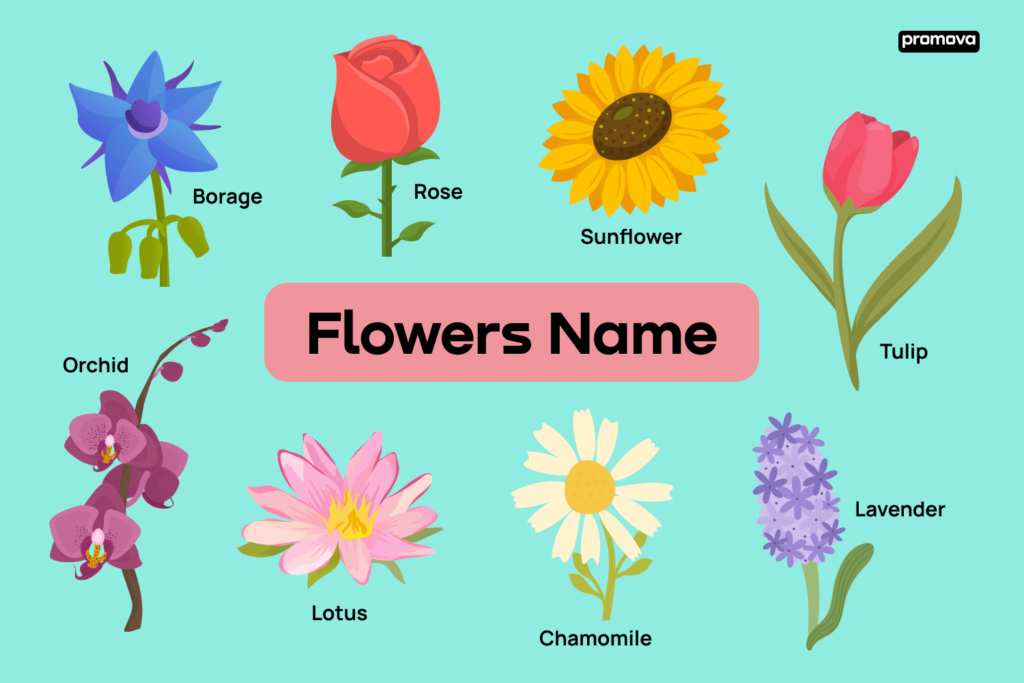
Furthermore, flowers hold cultural significance across the globe. They are often associated with traditions, rituals, and celebrations, marking memorable occasions such as weddings, funerals, and holidays. For instance, the rose is universally recognized as a symbol of love, while the lotus flower holds spiritual significance in many Eastern cultures. Thus, understanding the types of flowers extends beyond mere classification; it unveils the intricate connection between flora and human experiences.
There are countless categories of flowers, ranging from annuals to perennials, wildflowers to cultivated varieties. Each category encompasses unique characteristics, such as growth habits, climates, and colors. It is fascinating to note how these types of flowers can thrive in various environments, from temperate climates to tropical regions. This diversity not only enriches our planet’s landscapes but also offers us a variety of choices in gardening, landscaping, and floral arrangements.
In summary, flowers are integral to both our natural world and our cultural heritage. Their diverse types enrich our lives, linking ecology and human sentiment through their beauty and significance. As we explore the intricate varieties of flowers further, we will uncover their specific roles and characteristics, allowing us to appreciate the profound impact they have on our environment and our lives.
Annual vs Perennial Flowers
When exploring the diverse world of types of flowers, one fundamental distinction emerges between annual and perennial flowers. Annual flowers complete their life cycle within a single growing season, germinating from seed, blooming, and then dying off by the end of the growing season. Common examples of annual flowers include marigolds, petunias, and zinnias. These types of flowers are often favored for their vibrant blooms and the ability to choose new varieties each year, allowing for a refreshed garden aesthetic.
In contrast, perennial flowers endure for multiple growing seasons. They typically bloom during specific periods within their life cycle, returning year after year. Popular examples of perennials include peonies, daylilies, and coneflowers. One of the key advantages of perennial flowers is that, once established, they generally require less maintenance than annuals, often adapting easily to their environments and needing fewer resources over time.
However, each type comes with its own set of advantages and disadvantages. Annual flowers typically exhibit a longer and more varied bloom period, providing continuous color throughout the season. This makes them ideal for gardeners seeking instant gratification, as they produce blooms quickly. On the other hand, perennials may take longer to establish and bloom, yet their resilience and ability to adapt to changing conditions can make them a smarter long-term investment.
Additionally, care requirements differ as well. Annuals must be replanted each year and often require more watering and fertilization throughout the growing season to maintain their vigor. Perennials, though they may necessitate periodic division and care, generally thrive with less frequent intervention once they are established. Understanding these differences can help gardeners make informed decisions about which types of flowers will best suit their gardening goals and environmental conditions.
Common Types of Flowers by Category
Understanding the various types of flowers can enhance one’s appreciation for their beauty and diversity. Flowers can be categorized into several groups, each with unique characteristics that make them distinct. Below are some common types of flowers categorized by their typical growing conditions.
Wildflowers are one of the most vibrant and resilient types of flowers found in natural settings. They grow spontaneously in the wild and do not require cultivated soils. Well-known examples include the Eastern Bluebell, Prairie Coneflower, and California Poppy. These flowers typically thrive in their native habitats, benefiting from minimal human intervention and often rest in dry, sunny conditions.
Tropical flowers, as their name suggests, flourish in warmer, humid climates. They are celebrated for their vivid colors and unique shapes. Popular examples include Hibiscus, Plumeria, and Bird of Paradise. For successful growth, these plants require consistently warm temperatures and abundant moisture, making them ideal for regions like Hawaii or areas with similar climates.
Another category is garden favorites. These types of flowers are often cultivated for their aesthetics and fragrance in residential and public spaces. Notable examples include Roses, Lilies, and Tulips. These flowers generally require specific care, including tailored soil conditions, regular watering, and proper sunlight. Depending on their type, garden flowers can be perennials, blooming year after year, or annuals, completing their life cycle in one growing season.
For individuals looking to plant or gift flowers, understanding these categories provides vital insights into their characteristics and requirements. Each type of flower serves a unique purpose, whether for decoration, aesthetic appeal, or ecological benefits, thus enhancing different settings in which they are placed.
Caring for Different Types of Flowers
Caring for various types of flowers requires a nuanced approach, as different species have unique needs that must be met for optimal growth and blooming. One of the foundational elements of flower care is watering. Most flowers prefer consistent moisture, but types of flowers such as succulents and cacti thrive in dry conditions and require less frequent watering. It is essential to check the moisture level of the soil; overwatering can lead to root rot, while underwatering can cause wilting.
Fertilizing is another critical aspect of flower care. Different flowers benefit from varying types of nutrients based on their growth stage and specific needs. For example, during the growing season, flowering plants typically benefit from a balanced fertilizer that promotes blooming. Researching the types of flowers in your garden can provide insight into which fertilizers are appropriate and how often they should be applied.
Pruning is also vital, especially for perennials and some annuals. Regularly removing spent blooms not only enhances the aesthetic appeal but can also encourage further flowering and prevent disease. Each type of flower has its own pruning requirements, and adhering to these can greatly improve plant health.
Pest management is a necessary consideration in the care of flowers. Different types of flowers may attract specific pests, such as aphids or spider mites. Employing organic pest control methods, such as insecticidal soap or introducing beneficial insects, is often recommended. Regular inspection of plants can help in early detection and management of potential infestations.
By understanding the specific needs of diverse types of flowers, gardeners can better ensure their plants thrive, leading to vibrant blooms and a healthy garden environment.
