



Introduction to 264.68.111.161
An Internet Protocol (IP) address serves as a unique identifier for a machine connected to a network, facilitating communication between different devices. Specifically, 264.68.111.161 is a numerical label assigned to a device that plays an essential role in the functioning of networks, including the Internet. Each IP address consists of a series of four numbers separated by periods, where each number can range from zero to 255. This format is known as IPv4, which is the most widely used version of IP addressing.
The significance of 264.68.111.161 lies in its role as a point of contact for information exchange within a digital network. Devices utilize IP addresses to establish connections, allowing data packets to travel efficiently from one node to another. When a user accesses a website or sends an email, their device often communicates through various IP addresses, allowing the transmission of data across complex networks seamlessly.
Understanding where 264.68.111.161 fits within the broader context of internet protocol addressing is crucial for grasping its importance. IP addressing can be compared to the postal system, where each address (or IP) directs data to a specific destination. Within a global network, individual IP addresses enable the inclusion and identification of numerous devices, from simple home routers to large data center servers.

Moreover, as networks evolve, the understanding of IP addresses, including specific addresses like 264.68.111.161, becomes vital. This knowledge aids in troubleshooting various network issues, enhances cybersecurity measures, and ensures effective resource management across digital platforms. In this evolving technological landscape, familiarity with IP addressing norms, including those symbolized by the specific address 264.68.111.161, serves as a foundational step in grasping the intricacies of network interactions.
Why 264.68.111.161 is Noteworthy
The IP address 264.68.111.161 holds a unique position in the world of internet protocol addresses, drawing interest from various sectors including education and research. Notably, this address does not conform to the traditional numbering conventions set forth by the Internet Assigned Numbers Authority (IANA). As such, it is considered a reserved or special status address, indicating that it may not be used in the typical manner by which IP addresses facilitate internet connectivity.
This distinct reserve status often leads to inquiries regarding its purpose and implications. The 264.68.111.161 address appears in various databases and documentation primarily focused on technical discussions or educational materials. It serves as a case study example when highlighting the differences between standard internet usage and specialized applications of IP addresses.
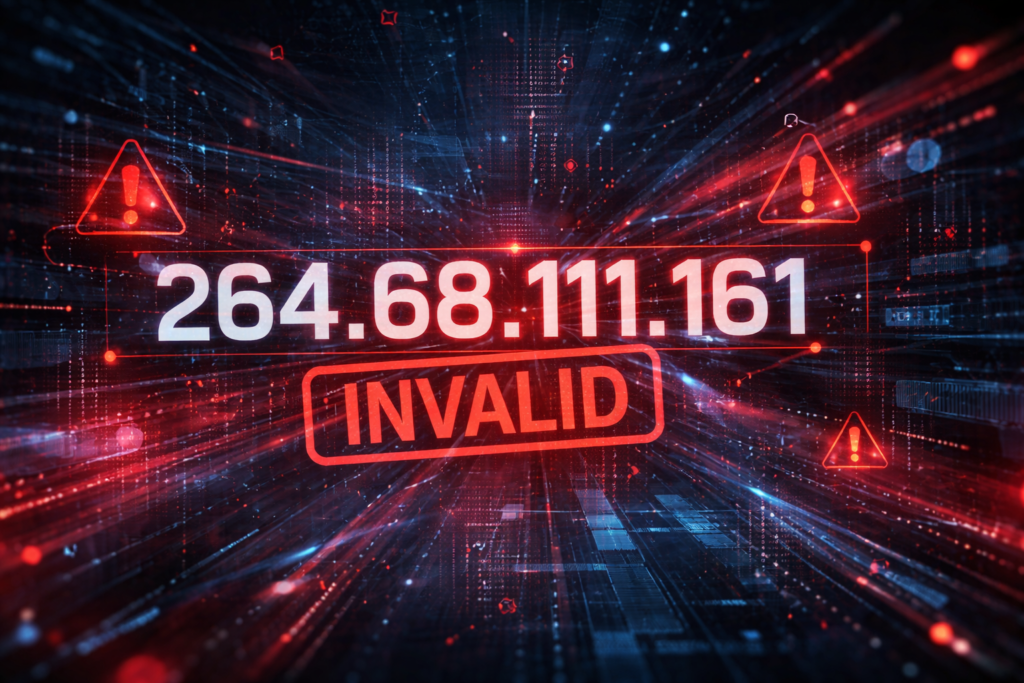
Furthermore, certain academic and research communities utilize 264.68.111.161 as a reference point in cybersecurity modules. This can involve theoretical explorations of network security protocols, where the IP address serves as a placeholder to represent scenarios involving unauthorized access or vulnerability assessments. Additionally, there have been instances where this particular IP address has been referenced in security advisories or as part of illustrative content in scholarly articles.
Moreover, the occurrence of 264.68.111.161 in notable incidents, whether in pen-testing practices or network simulations, adds to its relevance. As such, understanding its unique attributes fosters appreciation for the broader context of IP addresses, emphasizing their importance beyond mere connectivity. The complexities surrounding 264.68.111.161 make it a compelling subject in discussions of internet governance, cybersecurity, and advanced research methodologies.
Potential Applications of 264.68.111.161
The IP address 264.68.111.161 serves various practical applications across different domains, each highlighting its significance in professional settings. One of the primary use cases of this IP address is in simulation environments, where developers and network engineers can set up virtual networks to test their software solutions. By utilizing 264.68.111.161 in these simulations, professionals can evaluate how applications perform under various conditions, including load testing and network latency scenarios.

Moreover, 264.68.111.161 can be instrumental in network testing. System administrators and IT professionals often require environments that mimic real-world network conditions to troubleshoot connectivity issues or analyze security defenses. Using this address allows them to create isolated testing scenarios that do not interfere with actual production systems, providing a safer approach to diagnosing potential vulnerabilities in their networks.
In addition to testing and simulation, educational platforms benefit from the integration of IPs like 264.68.111.161 for instructional purposes. In academic settings, educators can teach students about networking, security protocols, and system configurations in a controlled manner. Using a specific IP address assists students in understanding theoretical concepts while providing hands-on experience in configuring and managing networked systems.
With its diverse applications, 264.68.111.161 demonstrates its versatility and utility in practice. Whether in the realms of software development, network management, or education, this IP address serves as a tool for enhancing understanding and operational efficiency. As technology continues to evolve, the relevance of such IP addresses is likely to increase, paving the way for innovative usage scenarios tailored for specific needs.
Conclusion and Future Insights on 264.68.111.161
In conclusion, 264.68.111.161 serves as a notable example within the realm of IP addresses, illustrating the significance of numerical addressing in the context of global internet connectivity. This particular address, while hypothetical in nature, emphasizes the foundational role that IP addresses play in facilitating communication across networks. As we have seen throughout this discussion, understanding such addresses is vital for both individual users and organizations, particularly as the internet landscape continues to evolve.
Looking ahead, the future of IP addressing, including concepts similar to 264.68.111.161, appears poised for further developments. For instance, the transition from IPv4 to IPv6 highlights the necessity for a more expansive addressing system to accommodate the growing number of devices connected to the internet. This shift not only addresses the challenge of shortage in available addresses but also enhances security and improves efficiency in data transmission.
Moreover, the rise of the Internet of Things (IoT) is a compelling trend that necessitates new addressing solutions. As more devices become interconnected, understanding how IP addresses function, including those like 264.68.111.161, will be critical for ensuring robust network management and security. Furthermore, discussions surrounding digital privacy and data protection continue to grow in relevance, which also implicates the utility and governance of IP addresses moving forward.
In essence, the importance of comprehending IP addresses such as 264.68.111.161 extends beyond mere technical specifications; it invites further exploration into the broader implications related to our evolving digital landscape. What questions remain regarding the sustainability of our addressing systems? How might upcoming technologies reshape our interaction with the internet? These inquiries merit consideration as the discourse on IP addressing continues to unfold.
