



Introduction to Boeing Aircraft and Safety Concerns
which boeing planes to avoid, one of the leading manufacturers of commercial aircraft, has a storied history dating back to its founding in 1916. Over the decades, it has become synonymous with innovation in aviation, producing numerous models that have shaped air travel. However, despite its prestigious reputation, certain which boeing planes to avoid planes have come under scrutiny concerning passenger safety. Notable incidents, including the crashes of the 737 MAX and the 787 Dreamliner’s battery issues, have raised critical questions about the safety protocols and design choices associated with these aircraft.
The 737 MAX, in particular, is a case that has significantly impacted public perception of which boeing planes to avoid commitment to safety. In 2018 and 2019, two fatal crashes led to the grounding of all 737 MAX planes worldwide. Investigations uncovered flaws in the Maneuvering Characteristics Augmentation System (MCAS), which were linked to both disasters. These events not only resulted in tragic loss of life but also triggered profound regulatory changes and an examination of Boeing’s safety culture.
Furthermore, the 787 Dreamliner has faced its own challenges, particularly with its battery technology that led to fires on grounded which boeing planes to avoid in 2013. Such incidents have prompted questions about the quality of materials and components used in construction. As industry experts and safety analysts scrutinize these models, concerns have emerged regarding ongoing issues and the lingering reputation of which boeing planes to avoid.

Given this context, travelers often wonder which which boeing planes to avoid models to avoid based on safety records. Reviewing data from aviation safety organizations can provide insight into performance and reliability, enabling passengers to make informed decisions when booking flights. It is imperative for travelers to consider these factors and stay updated on recent developments concerning Boeing aircraft safety.
Overview of which boeing planes to avoid under Scrutiny
The which boeing planes to avoid manufacturing industry has encountered significant scrutiny in recent years, particularly concerning certain models that have raised safety and reliability concerns. Notably, the Boeing 737 MAX and the 787 Dreamliner have been at the forefront of public and regulatory attention.
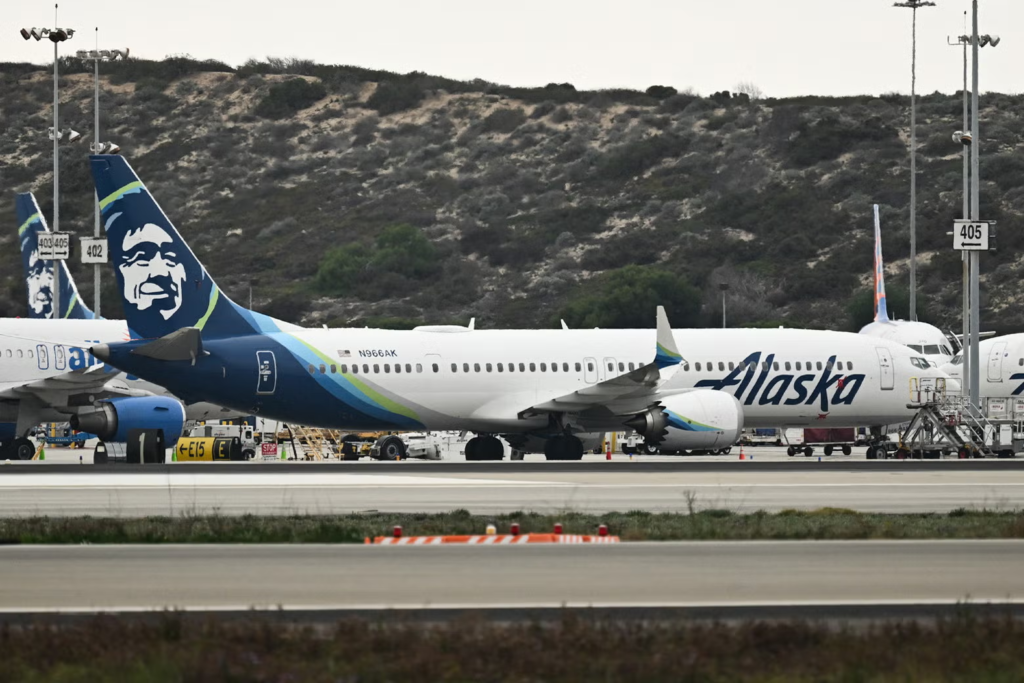
The Boeing 737 MAX series gained notoriety following two tragic crashes within a five-month period, leading to a global grounding of the aircraft. Investigations revealed that the Maneuvering Characteristics Augmentation System (MCAS) had critical design flaws, escalating the perceived risks involved with this model. The lack of pilot training and the inadequate safety measures implemented by Boeing drew widespread criticism, ultimately resulting in a loss of public confidence in the 737 MAX’s safety protocols.
Another model under examination is the Boeing 787 Dreamliner, which has faced its own set of challenges. Issues such as battery malfunctions and manufacturing defects have plagued the Dreamliner. Although Boeing conducted rigorous testing and monitoring, instances of inflight problems and maintenance difficulties have fostered public skepticism and raised questions regarding its reliability. Furthermore, the lengthy production delays and quality control issues reported over the years have contributed to a perception of neglect regarding aircraft quality standards.
In addition to these two major models, there are other Boeing aircraft that have been criticized for various reasons, such as poor fuel efficiency or outdated technology. As aviation enthusiasts and industry professionals examine which Boeing planes to avoid, the factors influencing their decisions include safety records, consumer reviews, and the ongoing reliability of in-service aircraft.
Comparative Analysis: Safety Records and Passenger Feedback
When evaluating which Boeing planes to avoid, a thorough examination of safety records and passenger feedback is essential. In recent years, several models have garnered attention, particularly due to their performance in safety metrics compared to industry standards.
The Boeing 737 Max, for instance, has been under intense scrutiny following two tragic accidents. According to data from aviation safety networks, the Max’s accident rate raised significant concerns, prompting global grounding actions. In contrast, its predecessor, the Boeing 737 Next Generation series, has exhibited a lower accident rate and better safety outcomes over the years, often cited as a safer choice in air travel.
A comparative review also includes the Boeing 777, which has maintained a strong safety reputation, with fewer incidents reported since its introduction in the 1990s. Passenger feedback on the Boeing 777 has been overwhelmingly positive, highlighting comfort and reliability, which contributes to a favorable safety perception.
Analyzing usage statistics provides further insight. The 737 series remains one of the most widely used commercial aircraft globally, yet the concentration of incidents surrounding the Max variant raises questions about its desirability compared to other models. In contrast, Boeing’s newer offerings, like the 787 Dreamliner, show not only impressive technical advancements but also strong safety records, making them worthwhile options for travelers aiming to avoid potential pitfalls.
In conclusion, understanding which Boeing planes to avoid hinges on empirical data regarding safety records alongside passenger experiences. Through careful analysis of the accident rates and consumer feedback, it becomes clear that some aircraft deserve more scrutiny than others when making flying decisions.
Conclusion: Making Informed Choices When Flying
In the realm of air travel, understanding the various aircraft models and their safety records is of utmost importance for passengers. The focus on which Boeing planes to avoid has gained prominence, especially in the wake of specific incidents that have raised concerns about certain models. It is essential for travelers to be acquainted with the historical performance and safety features of different Boeing aircraft to ensure a secure flying experience.
In this guide, we have explored various Boeing planes and highlighted those that warrant caution. Models like the Boeing 737 MAX have faced significant scrutiny due to past accidents linked to software malfunctions, resulting in a temporary grounding of the fleet. However, it is crucial to recognize that modern aircraft undergo rigorous safety evaluations and improvements, and some planes may have been reengineered to rectify previous issues.
Travelers are encouraged to take proactive measures when booking flights. Researching the specific model of the aircraft that will be used for a journey can empower passengers to make informed choices. Look for information on the airline’s website, review safety data available through aviation authorities, and consult recent flight performance reviews. Understanding which Boeing planes to avoid allows passengers to feel more secure in their travel decisions.
Ultimately, an informed traveler is a safer traveler. By staying updated on aviation safety developments and the reputations of various aircraft, individuals can navigate the skies with confidence. Your flying experience can be enhanced not only by choosing reputable airlines but also by being aware of the aircraft models in operation. Remember, knowledge is the best ally when it comes to ensuring your safety in the air.
