


Understanding Employee Onboarding Software
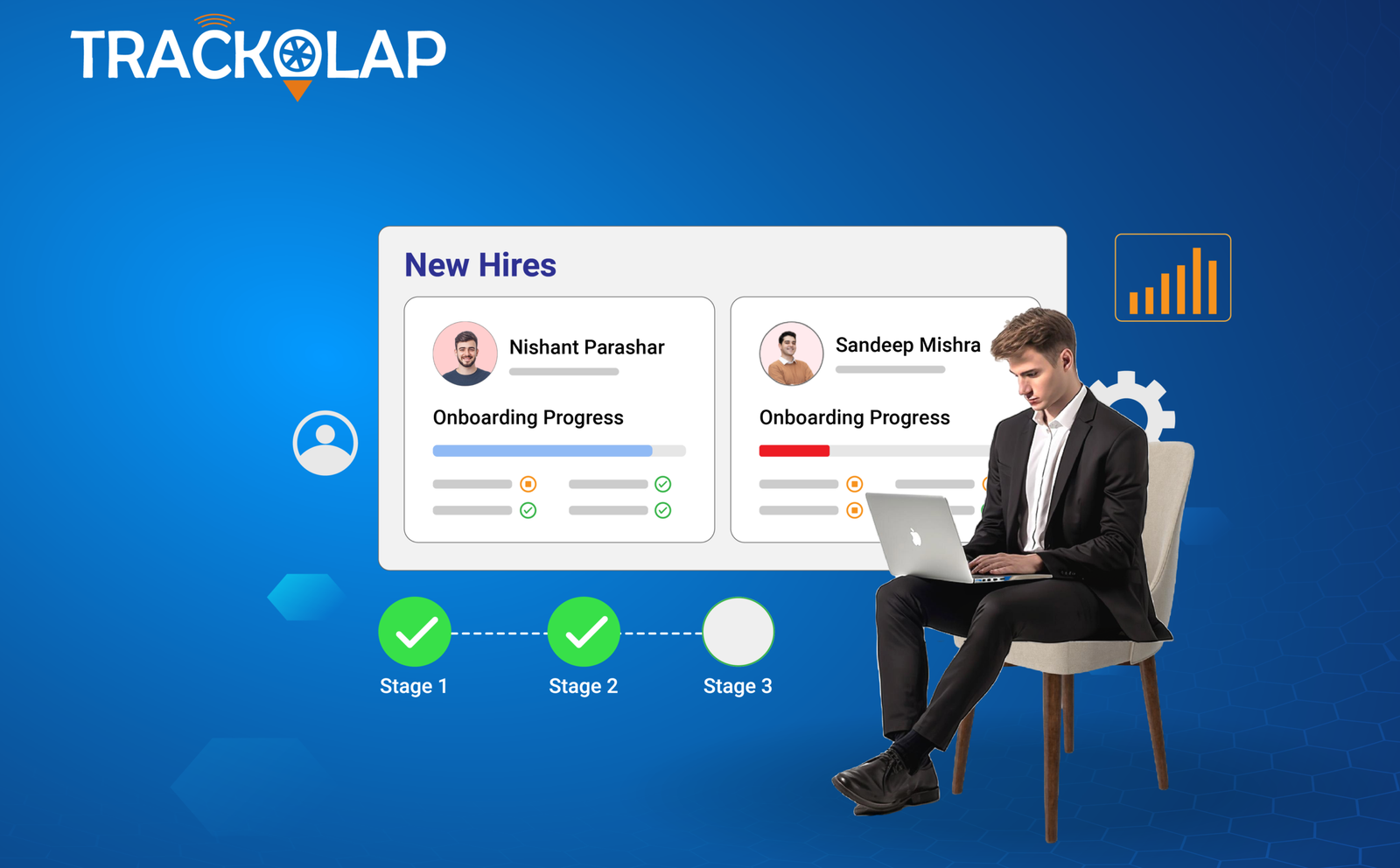
Employee onboarding software is a specialized tool designed to facilitate the integration of new hires into an organization. Its primary purpose is to accelerate the onboarding process, ensuring that new employees become productive members of the team as quickly and effectively as possible. The onboarding period can be crucial for employees, as it often sets the tone for their experience within the company. By utilizing onboarding software, organizations can streamline this experience and reduce the inherent complexities involved.
This software typically features a range of functionalities aimed at enhancing the onboarding process. One key aspect is task management, allowing HR departments and managers to assign specific tasks to new hires, ensuring that they complete essential steps such as filling out forms, undergoing background checks, and attending orientations. These tasks can be tracked and monitored, simplifying the administrative burden associated with onboarding.
Another significant feature of employee onboarding software is document management. This allows new employees to access necessary documentation, such as manuals, policies, and benefits information, all in one centralized location. This accessibility not only provides convenience but also promotes compliance with company policies and legal requirements. Additionally, the software often includes training modules that help employees develop the necessary skills and knowledge for their roles, further enhancing the onboarding experience.
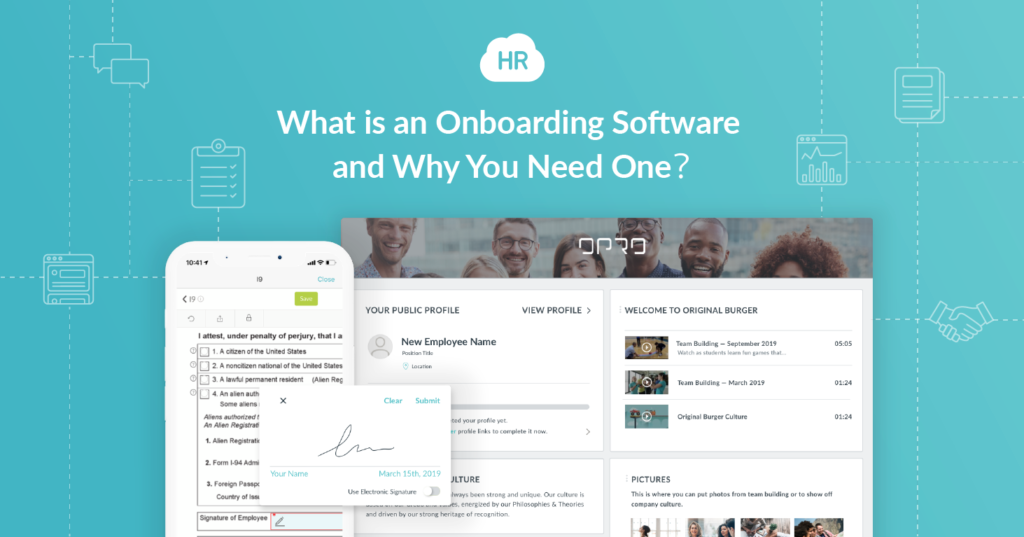
Through these features, employee onboarding software plays a critical role in fostering engagement and retention among new employees. By ensuring that the onboarding process is organized and efficient, organizations can promote a positive first impression, setting a solid foundation for a successful employment journey. It becomes evident why adopting employee onboarding software is essential for companies looking to optimize their onboarding efforts and achieve better outcomes.
Benefits of Implementing Employee Onboarding Software
Utilizing employee onboarding software presents numerous advantages that significantly enhance the integration of new hires into an organization’s culture and operations. One major benefit is the improvement of employee retention rates. According to studies, organizations that leverage effective onboarding programs experience a 50% increase in employee retention, as newcomers are more likely to feel welcomed and engaged from the outset.
Moreover, the implementation of employee onboarding software contributes to a faster time to productivity for new employees. Traditional onboarding processes can often be lengthy and cumbersome, sometimes extending for weeks or months. However, with streamlined software, organizations can accelerate this timeline, allowing new hires to become productive members of their teams more quickly. Data indicates that companies with efficient onboarding systems achieve a 62% lower time to proficiency compared to those without such systems.
Enhanced engagement is another critical benefit of employing onboarding software. By providing interactive learning modules and personalized onboarding experiences, companies can significantly increase employee satisfaction from their very first day. Engagement metrics often reveal that employees who go through structured onboarding processes report a 23% higher level of engagement than those who do not.
Additionally, standardized onboarding processes facilitated by software ensure consistency across the organization. This uniformity not only helps in aligning new employees with the brand values and expectations but also diminishes disparities in the onboarding experience among different teams or departments. This standardization also allows for easier tracking of compliance and completion rates, making it easier for human resources to manage onboarding effectively.
In summary, implementing employee onboarding software offers organizations a strategic advantage through improved retention, expedited productivity, heightened engagement, and streamlined processes. These benefits underline the importance of investing in quality onboarding solutions to foster a more cohesive and effective workforce.
Key Features to Look for in Employee Onboarding Software
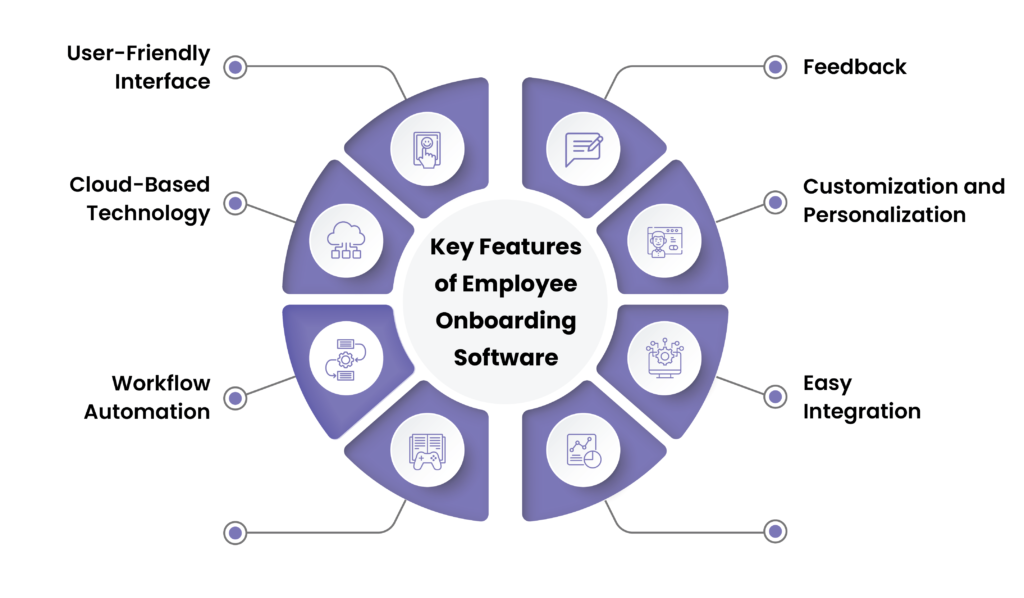
Selecting the right employee onboarding is a critical step for businesses looking to enhance their workforce integration processes. The software should be tailored to meet the specific needs of the organization while providing a smooth experience for new hires. Key features that companies should look for include customization options, which allow the software to be tailored according to the company’s branding and specific onboarding processes. This ensures that new employees receive a personalized experience that aligns with the organizational culture.
Another important aspect is integration with existing HR systems. The software should seamlessly connect to current human resources tools, such as payroll, performance management, and applicant tracking systems. This integration helps avoid data silos and makes information accessible across various platforms, facilitating a more efficient onboarding experience.
Furthermore, automation capabilities are essential in employee onboarding . Automated notifications, task assignments, and document management can significantly reduce the administrative burden on HR teams, allowing them to focus on strategic initiatives rather than repetitive tasks. An intuitive, user-friendly interface is also crucial, as it encourages engagement from new employees and facilitates easy navigation through the onboarding process.
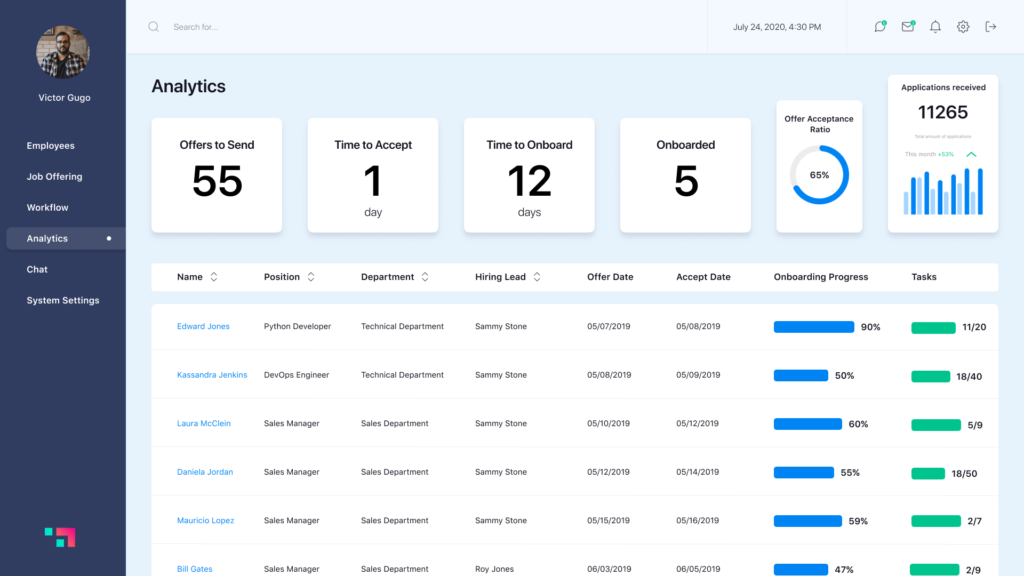
Lastly, analytics tools provide valuable insights into the onboarding process’s effectiveness. By tracking metrics such as employee engagement, time-to-productivity, and feedback scores, organizations can continuously refine their onboarding practices to improve outcomes. By considering these features, companies can select employee onboarding that not only meets their current requirements but also supports future growth and improves overall employee experience.
Best Practices for Using Employee Onboarding Software Effectively
To maximize the effectiveness of employee onboarding software, organizations should focus on implementing best practices that align with their onboarding goals. One essential strategy is to set clear onboarding objectives. This entails defining what successful onboarding looks like and outlining the skills and knowledge new hires should acquire within their initial weeks. By articulating specific outcomes, businesses can better utilize their onboarding software features to track progress and measure success.
Moreover, leveraging the software to create personalized experiences is of paramount importance. Employee onboarding software often includes tools allowing organizations to customize the onboarding journey for each new hire. This may involve tailoring training modules based on the employee’s role, preferences, or previous experience. Personalization not only enhances engagement but also allows new employees to feel valued and supported from their first day.
In addition, maintaining ongoing support for new hires is crucial. Employee onboarding can facilitate continuous communication between HR and new staff members, enabling regular check-ins and feedback. This approach helps address any questions or concerns that may arise, fostering a supportive environment that encourages new hires to immerse themselves in the company culture.
Lastly, regularly evaluating the onboarding process is essential for continuous improvement. By collecting feedback from new hires regarding their experiences and the effectiveness of the onboarding software, organizations can identify areas for enhancement. Integrating such insights can lead to improved processes and better outcomes for future onboarding experiences.
In conclusion, utilizing employee onboarding software effectively involves setting clear goals, personalizing experiences, providing ongoing support, and continuously evaluating the onboarding process. These best practices can significantly enhance workforce integration and ensure that new employees transition smoothly into their roles.
