


Introduction
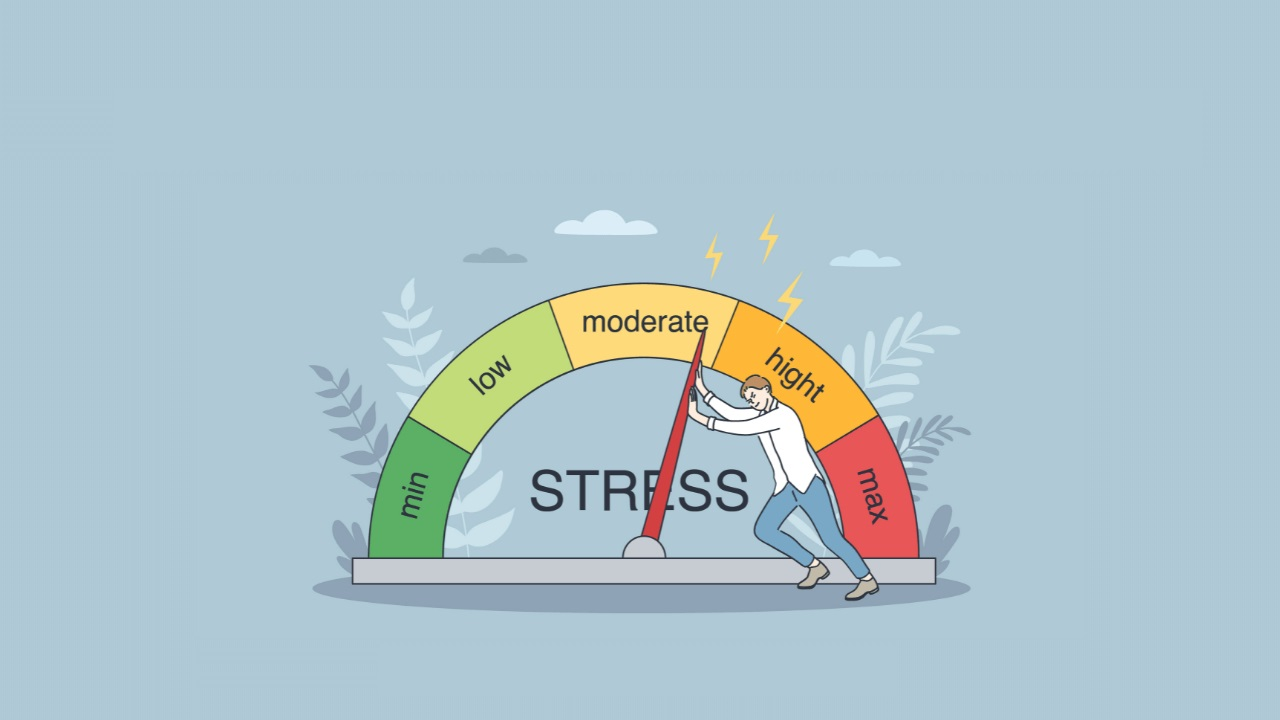
Stress has become one of the most common challenges in modern life. From work pressure and financial concerns to personal responsibilities and digital overload, people everywhere are searching for ways to relax and restore balance. This growing demand has made “free stresser” an increasingly popular concept. A free stresser refers to no-cost methods, tools, or habits that help reduce stress and promote mental well-being without requiring expensive programs or medications.
The beauty of free stress relief is that it is accessible to everyone. Whether you are a student, a busy professional, a parent, or someone simply looking for peace of mind, there are countless ways to manage anxiety naturally. Learning how to use free stresser can improve emotional health, increase productivity, and create a healthier lifestyle.
Understanding Stress and Its Effects
Stress is the body’s natural response to challenges or demands. In small amounts, stress can motivate action and sharpen focus. However, chronic stress can negatively affect physical and mental health. Prolonged stress may lead to headaches, fatigue, insomnia, anxiety, depression, and even cardiovascular issues.
Modern lifestyles often make stress unavoidable, but unmanaged stress can slowly impact overall quality of life. Recognizing stress triggers is the first step toward finding effective solutions. Common triggers include deadlines, family issues, social expectations, health concerns, and information overload.
What Is a Free Stresser?
A free stresser is any stress-relief method that costs nothing and can be practiced easily in daily life. These methods are often simple, natural, and sustainable. Unlike costly therapy sessions or premium wellness apps, free stressers are accessible regardless of budget.
Examples include breathing exercises, meditation, physical activity, journaling, listening to calming sounds, spending time in nature, and practicing gratitude. These techniques focus on calming the mind, relaxing the body, and reducing tension.
Deep Breathing as a Powerful Free Stresser
Breathing exercises are among the simplest and most effective stress-management tools. Deep breathing lowers heart rate, reduces cortisol levels, and promotes relaxation.
Practicing controlled breathing for just a few minutes each day can calm the nervous system. Techniques like box breathing, diaphragmatic breathing, or slow inhalation and exhalation can quickly reduce feelings of overwhelm. Because breathing is always available, it is one of the most practical free stressers.
Meditation and Mindfulness
Meditation is another highly effective free stresser. It involves focusing the mind and becoming aware of the present moment. Regular mindfulness practice can improve emotional regulation, lower anxiety, and increase self-awareness.
Free meditation resources are widely available online, including guided sessions, breathing timers, and mindfulness exercises. Even sitting quietly for ten minutes and observing thoughts without judgment can significantly reduce stress levels.
Physical Exercise for Natural Stress Relief
Exercise is one of the best free stressers because it benefits both mind and body. Physical movement releases endorphins, often called feel-good hormones, which naturally improve mood.
Walking, jogging, stretching, yoga, dancing, or bodyweight workouts can all reduce stress without requiring gym memberships or special equipment. A simple daily walk outdoors can provide both exercise and exposure to calming natural surroundings.
Nature as a Healing Free Stresser
Spending time in nature is a scientifically supported stress reliever. Fresh air, sunlight, greenery, and natural sounds can calm the brain and reduce mental fatigue.
Activities such as walking in a park, gardening, sitting by water, or simply observing the sky can create peace. Nature helps people disconnect from constant digital stimulation and reconnect with a slower, healthier rhythm.
Music and Sound Therapy
Music has a profound effect on mood and emotional state. Calming music, white noise, rain sounds, or instrumental melodies can serve as free stressers by lowering tension and creating a soothing atmosphere.
Many free platforms offer relaxing playlists specifically designed for stress reduction. Sound therapy can be especially useful during work, study, or before sleep.
Journaling and Emotional Release
Writing down thoughts and feelings is a free and therapeutic way to manage stress. Journaling allows individuals to process emotions, identify patterns, and release mental clutter.
A gratitude journal can also shift focus away from worries and toward positive aspects of life. Listing things you appreciate each day can strengthen emotional resilience and improve mental outlook.
Social Connection and Communication
Talking with trusted friends or family members can act as a powerful free stresser. Human connection provides emotional support, perspective, and reassurance.
Isolation often increases stress, while healthy communication can reduce emotional burdens. Sharing concerns with supportive people can create relief and strengthen relationships.
Digital Detox for Mental Clarity
Constant notifications, social media pressure, and excessive screen time can increase stress. Taking regular breaks from technology is an effective free stresser that promotes mental clarity.
A digital detox can involve setting screen-free hours, reducing social media use, or spending more time on offline activities. Disconnecting from digital noise helps the brain recharge.
Healthy Sleep Habits
Sleep and stress are closely connected. Poor sleep increases anxiety, while stress often disrupts sleep quality. Developing healthy sleep habits is an essential free stresser.
Maintaining a regular sleep schedule, avoiding screens before bed, and creating a calm bedtime routine can improve rest and emotional balance.
Creativity as Stress Relief
Creative activities like drawing, painting, writing, or crafting can reduce stress by focusing the mind on enjoyable expression. Creativity provides a healthy escape from daily pressures.
These hobbies do not need to be professional or perfect. The process itself can be deeply calming and restorative.
Building a Personalized Free Stresser Routine
Not every stress-relief method works equally for everyone. The key is finding a combination that suits personal preferences and lifestyle.
A personalized free stresser routine might include morning meditation, daily walks, gratitude journaling, and evening music. Consistency is more important than complexity. Small habits practiced regularly often create the biggest improvements.
Benefits of Using Free Stressers
Free stressers offer multiple advantages beyond cost savings. They are accessible, flexible, and adaptable to different lifestyles. They encourage self-awareness, independence, and healthier habits.
Over time, these techniques can improve focus, emotional resilience, sleep quality, and physical health. They also empower people to take active control of their mental well-being.
Conclusion
The concept of a free stresser proves that effective stress management does not have to be expensive or complicated. Simple practices like breathing, exercise, meditation, nature, music, and journaling can make a powerful difference in daily life.
In a world filled with constant pressure, finding free and natural ways to reduce stress is more valuable than ever. By integrating these practical strategies into everyday routines, anyone can build a calmer, healthier, and more balanced life. Free stressers are not just temporary solutions—they can become lifelong tools for emotional wellness and peace.
