


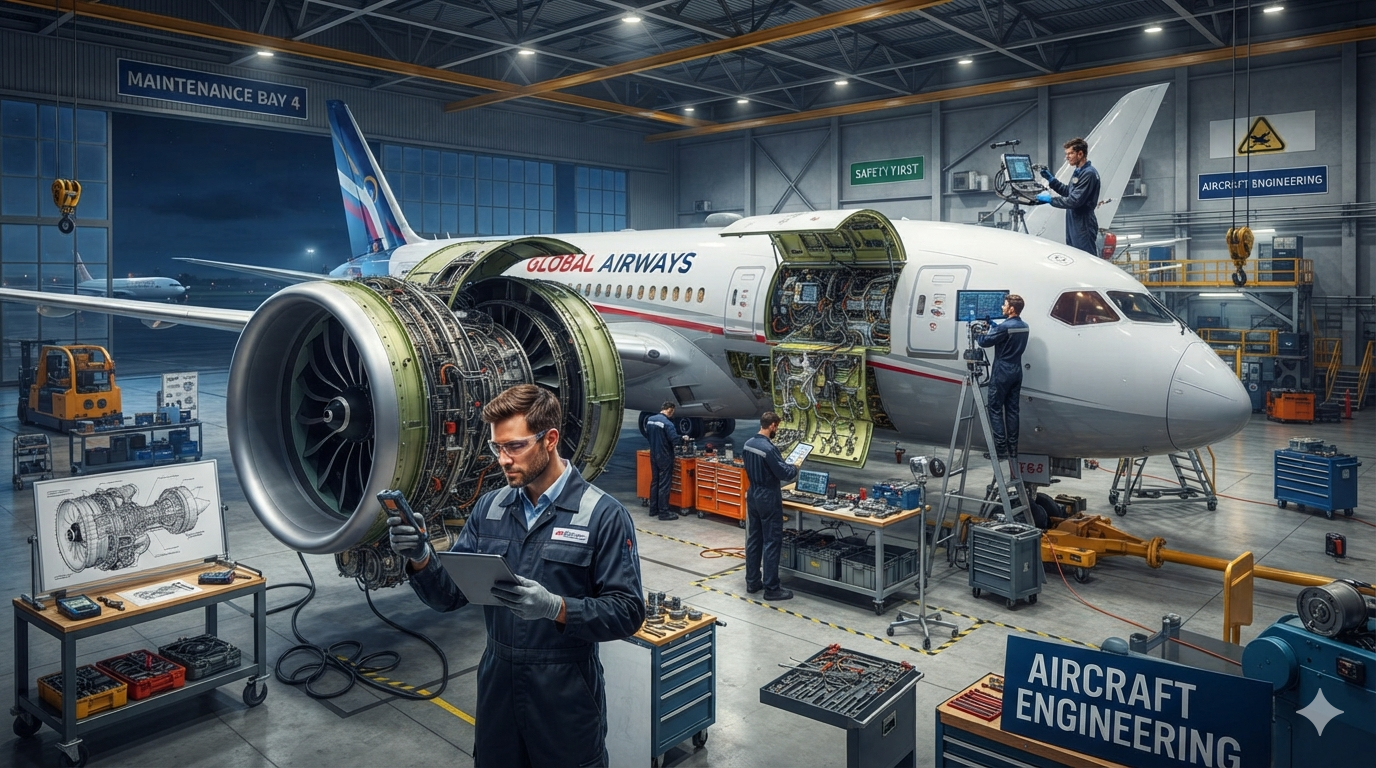
Flying in an airplane is one of the safest ways to travel today. Have you ever wondered why airplanes are so safe and reliable? It is because every single part of an aircraft is built to last. However, in airline applications failure of a component can still happen if things go wrong. When a part fails, it means a piece of the plane stops working correctly. This could be a tiny bolt, a wire, or a giant engine part. Engineers work around the clock to make sure these parts do not break during a flight.
Understanding how these parts work is very important for aviation safety. If a single piece stops working, it can cause a chain reaction. That is why the aviation world has very strict rules for building and fixing planes. In this article, we will look at what happens when parts break down. We will also explore how mechanics find problems early and fix them. Staying safe in the sky requires a mix of smart engineering, careful testing, and regular checkups. Let us dive into the details of airplane parts and safety.
What Does Failure of a Component Mean?
When we talk about a breakdown, we mean a part cannot do its job anymore. In airline applications failure of a component can range from minor issues to major problems. For example, a reading light over your seat might stop working. This is a very small issue that does not affect how the plane flies. On the other hand, a fuel pump stopping is a much bigger issue. Mechanics group these problems by how serious they are to the flight.
Engineers use special terms to describe these events. They look at how a part broke and why it stopped working. Sometimes a part wears out because it is old, which is normal. Other times, a part might break sooner than expected because of bad weather or high heat. No matter the reason, airlines must track every single broken piece. This helps them learn how to make future planes even stronger and safer for everyone.
Common Reasons Why Airplane Parts Break
There are many reasons why a part might stop working during a flight. In airline applications failure of a component often happens because of extreme stress. Airplanes fly very high where the air is freezing cold, but their engines get incredibly hot. This constant change from hot to cold can make metals weak over time. This weakness is called metal fatigue, and it can cause tiny cracks that are hard to see.
Another big reason for part breakdown is simple wear and tear. Just like the tires on your family car, airplane tires and brakes wear down after many trips. Rust and dirt can also damage sensitive electronics over time. If water gets into the wrong place, it can cause wires to short circuit. That is why regular cleaning and protection are highly important for every aircraft.
The Role of Stress and Metal Fatigue
Airplanes go through a lot of physical stress every time they take off and land. The wings bend up and down, and the cabin pumps up with air pressure. Inside the engine, parts spin at incredibly high speeds for hours. Over time, this constant movement can cause in airline applications failure of a component. Metal fatigue acts like bending a plastic paperclip back and forth until it snaps.
Engineers study this type of stress very carefully in laboratories. They test metals to see exactly how many times they can bend before breaking. This helps airlines replace parts long before they actually reach their breaking point. By tracking the total hours a plane flies, mechanics know exactly when a piece is getting tired. This careful planning keeps minor wear from turning into a major hazard.
How Airlines Track Part Performance
| Aviation Component | Primary Failure Risk | Prevention Strategy | Replacement Schedule |
| Engine Turbine Blades | Extreme heat and metal fatigue | High-tech laser scans and thermal coatings | Based on exact flight hours |
| Landing Gear Hydraulic Lines | Fluid leaks and high pressure | Daily visual checks and pressure tests | Every few years during deep maintenance |
| Cockpit Electronic Displays | Screen burnout and wire shorts | Built-in computer tests and backup screens | Replaced immediately if errors show |
| Aircraft Wing Fasteners | Vibration loosening and rust | X-ray inspections and specialized coatings | Checked during major structural overhauls |
The Importance of Redundancy in Aviation
The best defense against a breakdown is having a backup plan. In the skies, in airline applications failure of a component is managed by using backup systems. This safety method is known as redundancy, and it means having two or three of the same part. If the main part stops working, the backup part takes over instantly. Most of the time, the passengers do not even notice the switch happened.
For example, large commercial airplanes have at least two engines. If one engine stops working, the plane can still fly safely using the other one. The same rule applies to computers, fuel pumps, and steering systems. Pilots train extensively to manage these situations using backup controls. This ensures that a single broken item cannot bring down the entire aircraft.
How Mechanics Inspect Planes Every Day
Mechanics are the unsung heroes who keep airplanes safe for travel. Before any plane takes off, a team of experts checks it thoroughly. They look for signs where in airline applications failure of a component might be starting. They look for puddles of oil, loose screws, or worn tires on the tarmac. This quick check is the first line of defense against unexpected issues.
For deeper looks, mechanics use advanced tools like X-ray machines and ultrasound scanners. These tools allow them to see inside the metal without cutting it open. They can find tiny hidden cracks deep within the wings or engines. If they find even a tiny flaw, the plane stays on the ground until it is fixed. This strict routine keeps unsafe planes out of the sky.
Severe Weather and Its Impact on Components
Mother Nature can be very tough on commercial aircraft. High winds, heavy rain, lightning, and ice all put extra stress on the plane. In airline applications failure of a component can sometimes be triggered by these harsh conditions. For instance, ice building up on a wing can change how air flows around it. This forces the steering parts to work much harder than usual to guide the plane.
Lightning strikes are another major weather hazard for planes. Fortunately, modern aircraft are designed to let electricity slide right off their metal skin. However, the huge energy blast can still shock sensitive radio and navigation equipment. Airlines use special shields around wires to protect them from these electric strikes. This keeps the cockpit instruments working smoothly even during the worst thunderstorms.
The Role of Strict Government Rules
Airlines cannot just maintain their planes however they want. Government groups, like the Federal Aviation Administration, set very strict safety laws. They make sure that in airline applications failure of a component is kept as rare as possible. These agencies inspect airline repair shops and review maintenance logs regularly. If an airline breaks the rules, they face massive fines or get shut down.
When a factory builds a new airplane part, it must pass hundreds of tests first. The builders must prove the part can survive extreme heat, cold, and heavy shaking. Every single piece receives a unique tracking number, like a birth certificate. This allows officials to track a part from the day it is made to the day it is recycled.
Training Pilots for System Emergencies
Pilots spend hundreds of hours learning how to handle broken parts. They use advanced flight simulators that mimic real-world problems perfectly. In these simulators, instructors can cause a simulated in airline applications failure of a component. Pilots must practice exactly what to do if an engine quits or the lights go out. This intense training turns emergency responses into second nature.
When an issue occurs in real life, pilots do not panic. They open a digital checklist and follow the steps carefully with their co-pilot. They talk to air traffic controllers on the ground to find the nearest safe airport. Because they practice these scenarios so often, they can land the plane safely almost every time. Their calm actions save lives and protect the aircraft from further harm.
Learning from Past Mistakes to Improve Safety
The aviation world learns a lot when things go wrong. If in airline applications failure of a component causes an incident, experts investigate it immediately. They collect the broken pieces and study them under powerful microscopes. They want to find out exactly why the metal cracked or why the computer crashed. This detailed detective work helps prevent the same mistake from happening again.
Once investigators find the root cause, they share their findings globally. Manufacturers will redesign the part, and airlines will replace the old ones quickly. This continuous cycle of learning has made modern flying incredibly safe over the decades. Every incident teaches the industry how to build a better, stronger, and more resilient aircraft.
Conclusion
At the end of the day, passenger safety is the absolute number one goal for every airline. While in airline applications failure of a component can happen, the industry is always ready for it. Thanks to backup systems, daily checkups, and highly trained pilots, risks are kept extremely low. The next time you step onto an airplane, you can relax and enjoy your flight. Thousands of brilliant engineers and mechanics have worked hard to make sure your journey is smooth and safe.
Frequently Asked Questions
What happens if an engine stops working during a flight?
If an engine stops working, the airplane does not fall out of the sky. Modern commercial planes are designed to fly safely using their remaining engine. Pilots will fly to the nearest airport and make a safe landing.
How often do airlines check parts for wear and tear?
Airlines check their planes before every single flight for basic safety. They also perform deep, detailed inspections every few weeks in large repair garages. Parts are replaced on a strict schedule based on flight hours.
Can a single broken bolt cause an airplane to crash?
It is extremely rare for a single broken bolt to cause a serious accident. Airplanes use multiple layers of backup systems and extra fasteners. If one part breaks, surrounding parts are strong enough to hold the load.
How do mechanics find hidden cracks in airplane metal?
Mechanics use advanced technology like X-rays, magnetic fields, and ultrasound waves. These tools allow them to see deep inside the metal parts without damaging them. This helps them find hidden flaws early.
What is metal fatigue in airplanes?
Metal fatigue happens when metal becomes weak after being bent or stressed repeatedly over time. It can cause tiny, invisible cracks to form. Airlines track flight hours closely to replace metal parts before they get tired.
